Jason Momoa's Lobo Steals Scenes — and the Best Lines — in 'Supergirl'

From Lobo's Czarnian profanity to Kara's most heartbreaking confessions, the new DCU film delivers dialogue worth remembering.
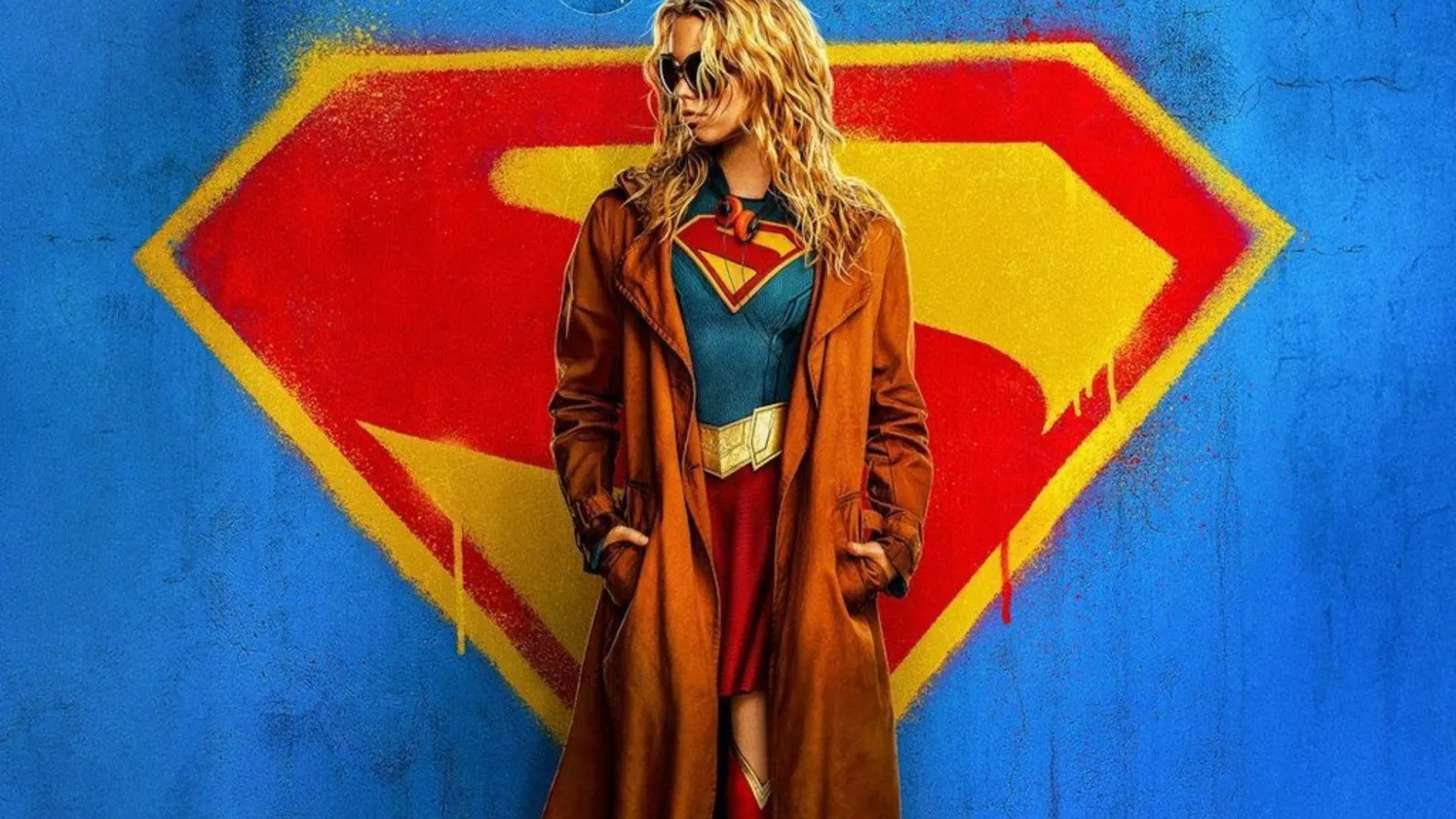
Craig Gillespie's Supergirl, now in wide release as the latest entry in James Gunn's rebooted DC Universe, is generating genuine critical conversation — not only for Milly Alcock's commanding turn as Kara Zor-El, but for the quality of its writing. Drawing heavily from Tom King and Bilquis Evely's acclaimed 2021 comic Supergirl: Woman of Tomorrow, the film builds much of its emotional architecture through character-defining dialogue, some lifted faithfully from the source material, others crafted fresh for the screen.
Momoa's Lobo and the Weight of Earned Profanity
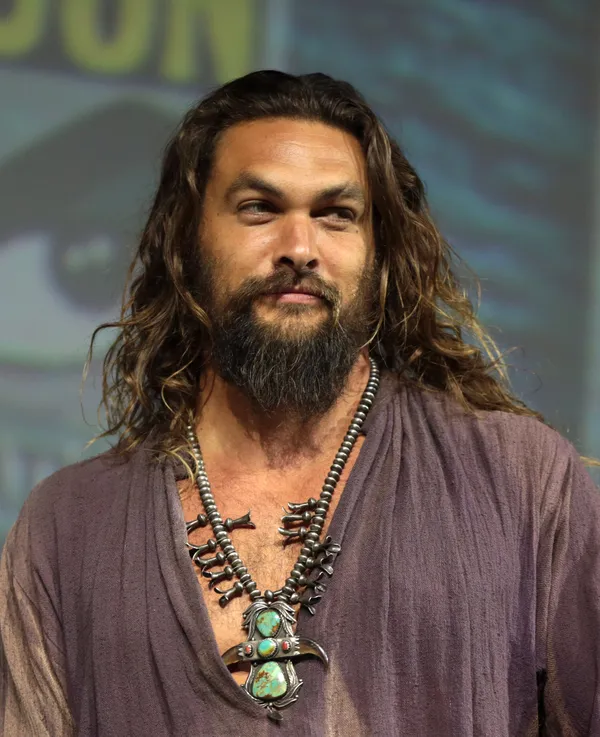
Perhaps no casting announcement in recent DCU history stirred as much excitement as Jason Momoa stepping into the role of Lobo, the anarchic Czarnian bounty hunter. That excitement was well-founded, and the film wastes no time capitalizing on it. According to ScreenRant, Momoa's Lobo gets to deploy the character's signature alien expletives — "bastich" and "fraggin'" — more than once across the runtime. For longtime readers, these aren't throwaway gags; they're litmus-test moments that signal whether a Lobo adaptation understands the character's irreverent comic DNA, which crystallized during his mainstream breakout in the 1990s. Momoa's delivery, from all accounts, honors that legacy while bringing his own physical charisma to bear.
Kara's Trauma and the Superman Contrast
Where the film does its most sophisticated thematic work is in drawing a clear philosophical line between Kara and her cousin Kal-El, played by David Corenswet. One of the standout quotes in Supergirl has Kara articulating, with frank bitterness, how different her path to Earth was from Superman's — a man raised in Kansas cornfields, sheltered from the full horror of Krypton's death. It's a distinction that echoes an observation Lois Lane makes in 2025's Superman, where Clark's almost preternatural capacity for hope is identified as the product of his uniquely human upbringing. Kara carries years of grief and witness that her cousin simply never had to absorb.
This emotional context is deepened further by the film's treatment of Krypton's slow collapse. Rather than a single catastrophic explosion, Kara's backstory involves her father Zor-El — portrayed by David Krumholtz — constructing a protective dome around Argo City, buying its population years of precarious survival before kryptonite-laced soil gradually poisoned them. King's original line from the comic, paraphrased in the film, captures this particular anguish: the death of a world measured not in an instant but in an agonizing accumulation of loss.
Ruthye, Krypto, and the Smaller Emotional Beats
Beyond the larger mythology, Supergirl earns much of its warmth through smaller, character-specific moments. Young Ruthye Marye Knoll's repeated, formal self-introduction — name, clan, and all — functions both as a running piece of dry comedy and as a marker of the girl's stubborn, grief-fueled determination. The rhythm of it, with Kara eventually able to recite it from exasperated memory, is the kind of detail that rewards attentive viewers.
Krypto the Super Dog, meanwhile, serves as the film's emotional anchor in ways that may surprise audiences expecting a more action-forward superhero film. A line Kara speaks to her poisoned dog — framing him as the living embodiment of her only remaining sense of home — lands with considerably more force once the film reveals that she adopted him on the same day she lost her mother on Argo City. It is, quietly, one of the more affecting beats in any DCU film to date.
A Film Comfortable in Its Craft
What Supergirl appears to understand, and what its best lines reflect, is that superhero cinema is most durable when it treats its characters as complex emotional beings rather than delivery mechanisms for spectacle. Zor-El's parting words to his daughter — urging her to carry both her parents' souls forward into an uncertain future — stand in deliberate, meaningful contrast to Jor-El's far darker instructions to Kal-El revealed in Superman. The comparison deepens both films retroactively.
Momoa's off-screen presence has been equally prominent during the film's promotional cycle, and the performance itself seems positioned to make Lobo one of the most discussed characters in the evolving DCU. If Supergirl's dialogue holds up as well as early word suggests, it will be because both the adaptation and its cast took the source material seriously from the start.
Related on Ni4o: Why Jason Momoa as Lobo in 'Supergirl' Is the Role He Was Always Meant to Play
 ProfileJason MomoaActor
Related
Randy Quaid Slams Anne Hathaway Casting in Days of Thunder Sequel
Randy Quaid, who appeared in the original 1990 film, took to X to demand Nicole Kidman's return and dismiss the Hathaway announcement.

Eva Mendes' 'de Gosling' Tattoo Is the Only One She's Ever Wanted
Eva Mendes is showing off her wrist tattoo again — a small but meaningful piece of ink that carries a deep cultural significance.
Steven Spielberg's 'War of the Worlds' Returns to Streaming Amid Debate
Steven Spielberg's 'War of the Worlds' is hitting HBO Max next month, reigniting discussions on its mixed reception.