Jackson Browne, Beck and a Star-Studded Cast Celebrate Wes Anderson's Cinema at the Hollywood Bowl

A remarkable Saturday night concert brought 30 years of Wes Anderson's signature soundscapes to life, with performances ranging from Beck to Jackson Browne.
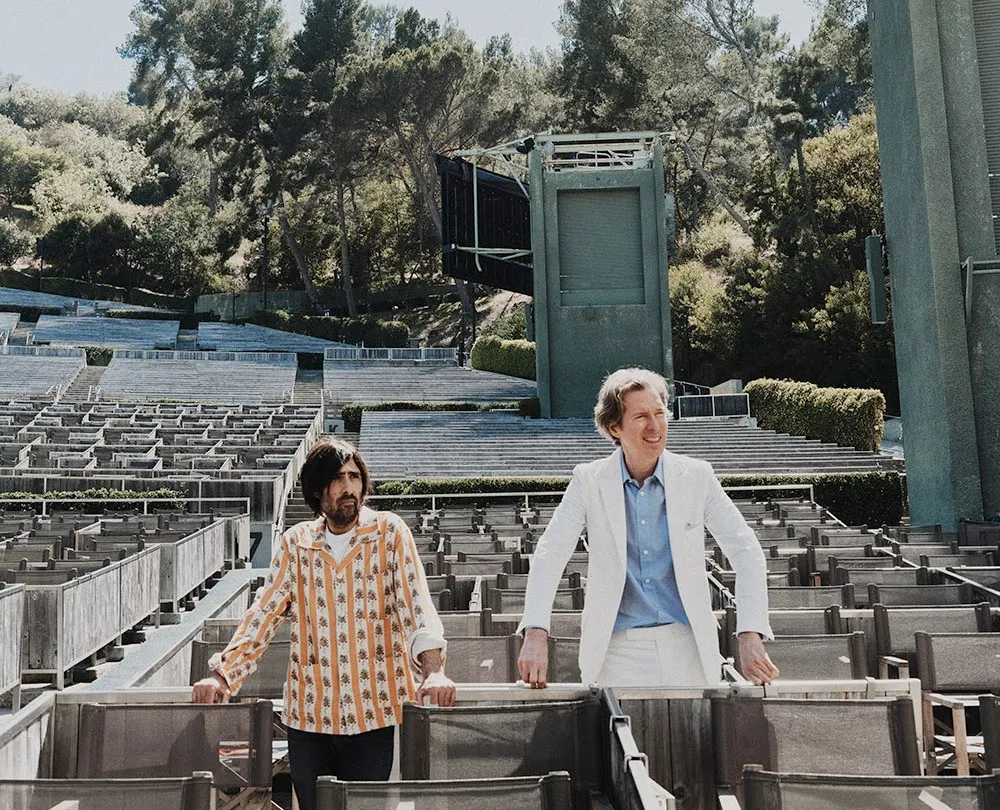
Few filmmakers have built a relationship with music as deliberate and emotionally loaded as Wes Anderson's, treating every needle drop as a narrative instrument rather than mere accompaniment. That philosophy took center stage during the second of three consecutive shows at the Hollywood Bowl on Saturday, where the Los Angeles Philharmonic provided the backbone for an extraordinary evening honoring three decades of Anderson's cinematic output, according to The Hollywood Reporter.
A Night Conducted in the Spirit of Anderson's Films
The evening, music-directed by Justin Meldal-Johnsen, was framed from the outset by the inimitable Bill Murray, appearing in a red beanie straight out of The Life Aquatic with Steve Zissou. Murray served as emcee, promising the crowd music that would make them "laugh, think, and feel" — a pretty accurate three-word summary of Anderson's entire career. He then introduced Mark Mothersbaugh, Anderson's longtime composer and founding member of Devo, who offered some of the most resonant words of the night before Devo performed "Gut Feeling" from The Life Aquatic soundtrack. Mothersbaugh described collaborating with Anderson as analogous to working within Devo itself — a process rooted in conceptual rigor and imaginative execution.
The program balanced needle drop covers with orchestral pieces composed by Mothersbaugh and Alexandre Desplat, reflecting the breadth of Anderson's influences. Kaoru Watanabe played taiko drums evoking Isle of Dogs, while Ami Dang and Aakash Pujara brought Indian classical textures to the Darjeeling Limited cues "Charu's Theme" and "Arrival in Benares" — an acknowledgment that Anderson's musical instincts are as globally eclectic as his production design.
A Roster That Read Like an Anderson Casting Sheet
The performer lineup carried its own kind of Andersonian curation. My Morning Jacket's Jim James delivered a faithful rendering of the Kinks' "Strangers" from The Darjeeling Limited and Cat Stevens' "The Wind" from Rushmore. Karen Elson interpreted Françoise Hardy's "Les Temps De L'amour" from Moonrise Kingdom, while Jeff Goldblum demonstrated genuine jazz-piano command alongside his band on "Blinuet," another Rushmore selection. Spoon's Britt Daniel attacked "Making Time" with appropriate raucousness, and Jenny Lewis, Murray, and Beck joined Roge for a spirited take on "Zorro Is Back" from the Bottle Rocket era. Beck also handled two particularly weighty moments — Elliot Smith's "Needle in the Hay" and Love's "Alone Again Or" — songs whose emotional heft Anderson harnessed so precisely that they've become inseparable from the films themselves.
Jason Schwartzman appeared multiple times throughout the evening, at one point producing what he claimed was the original cassette Anderson had played for him when walking him through Rushmore scenes before production began. He tossed it into the crowd — though given he reportedly performed the same bit the previous night, the tape is almost certainly a theatrical prop, a fitting wink at Anderson's own fondness for the constructed and the theatrical.
Jackson Browne and the Song That Started Everything
If the night had a gravitational center, it was the appearance of Jackson Browne. Anderson himself introduced Browne to the Hollywood Bowl stage, describing "These Days" as a song that had "so directly reached out" to him — one written, he marveled, "impossibly by a 16-year-old boy." Anderson went further, framing the track as something he encountered at a moment when he needed reassurance of "the illusion of a benevolent order in the universe," and explaining that it ultimately compelled him to construct The Royal Tenenbaums as a film about regret built around the song's spirit.
Browne's own account of the song's role in the film was equally affecting. He told the audience he had forgotten he'd agreed to license "These Days" for the film, discovering its use only when he saw it in a theater. The Nico-recorded version of the song — she had first cut it when Browne was a teenager — had inspired Anderson to conceive the film altogether, and its placement in Tenenbaums remains one of the most discussed musical moments in contemporary American cinema. "I'm indebted to Wes for having discovered this song and giving it this life," Browne told the crowd before performing both "These Days" and "The Fairest of the Seasons."
The concert closed with an ensemble rendition of the Faces' "Ooh La La," the same track that closes Rushmore — a choice that felt less like a finale and more like a benediction. One final show in the series was scheduled for Sunday evening at the Bowl.
Related on Ni4o: Wes Anderson's Elevator Adventure Post 'Bottle Rocket' Anniversary · Hugh Jackman's 'The Sheep Detectives' Becomes a Prime Video Hit
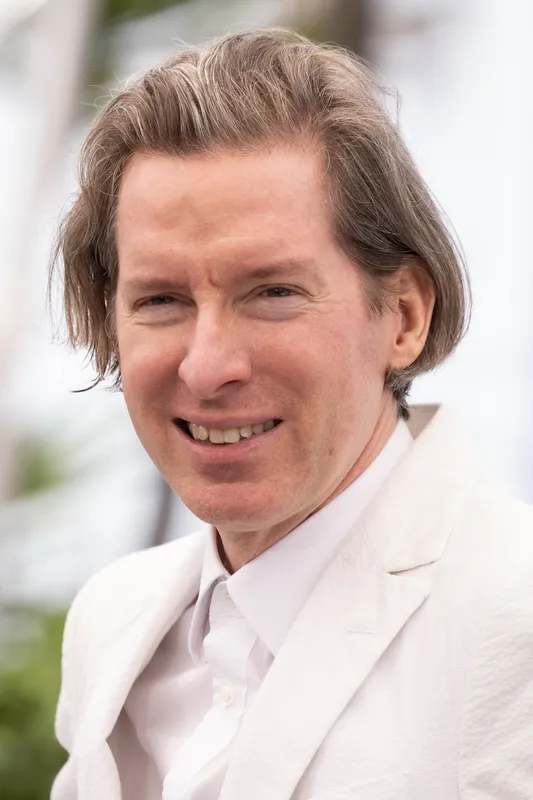 ProfileWes AndersonFilmmaker
Related
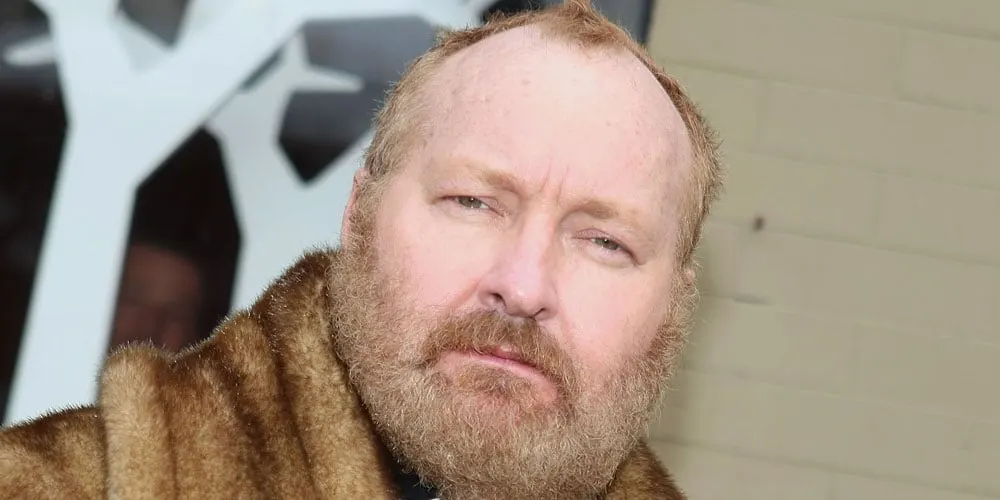
Randy Quaid Slams Anne Hathaway Casting in Days of Thunder Sequel
Randy Quaid, who appeared in the original 1990 film, took to X to demand Nicole Kidman's return and dismiss the Hathaway announcement.
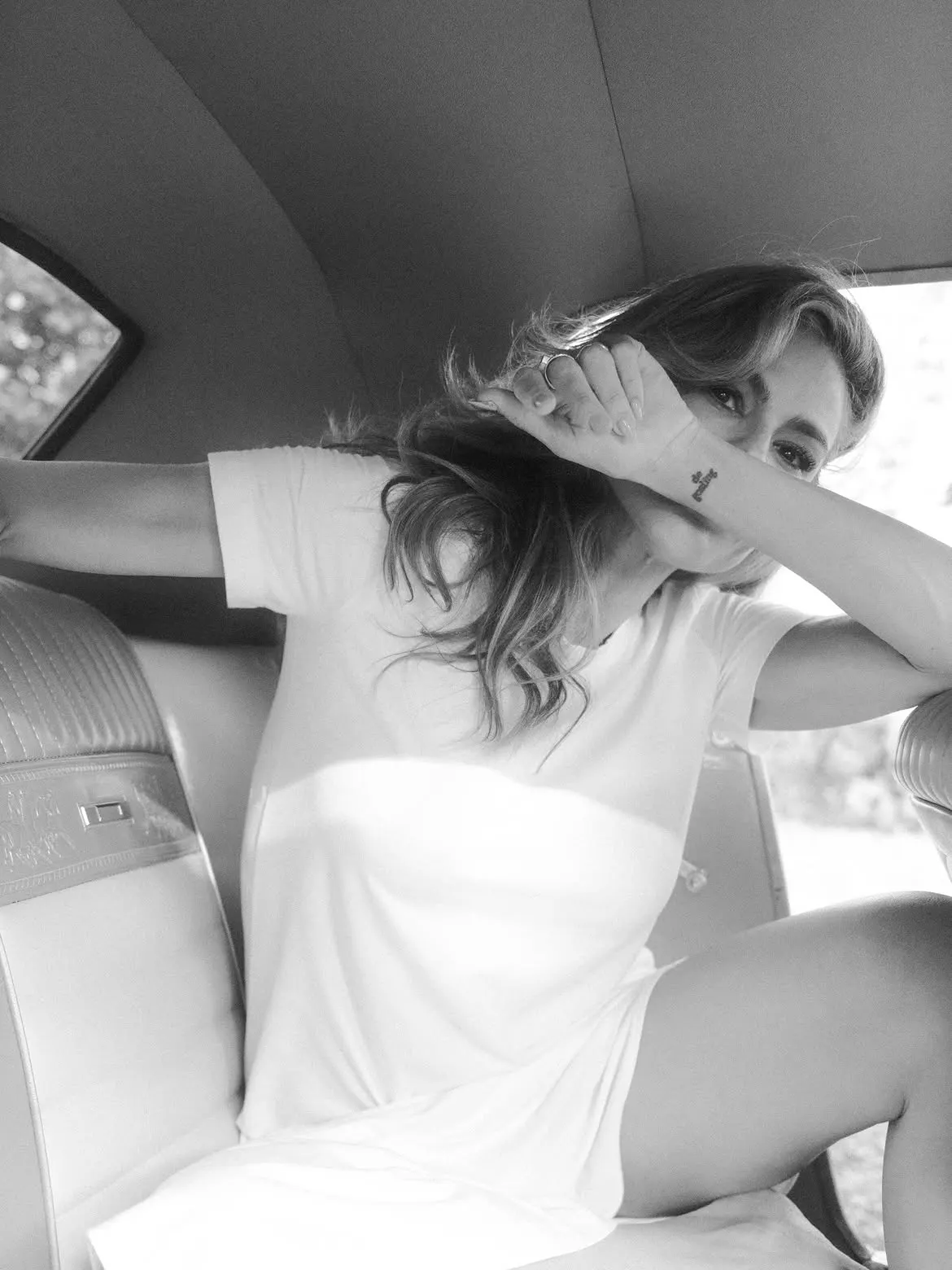
Eva Mendes' 'de Gosling' Tattoo Is the Only One She's Ever Wanted
Eva Mendes is showing off her wrist tattoo again — a small but meaningful piece of ink that carries a deep cultural significance.
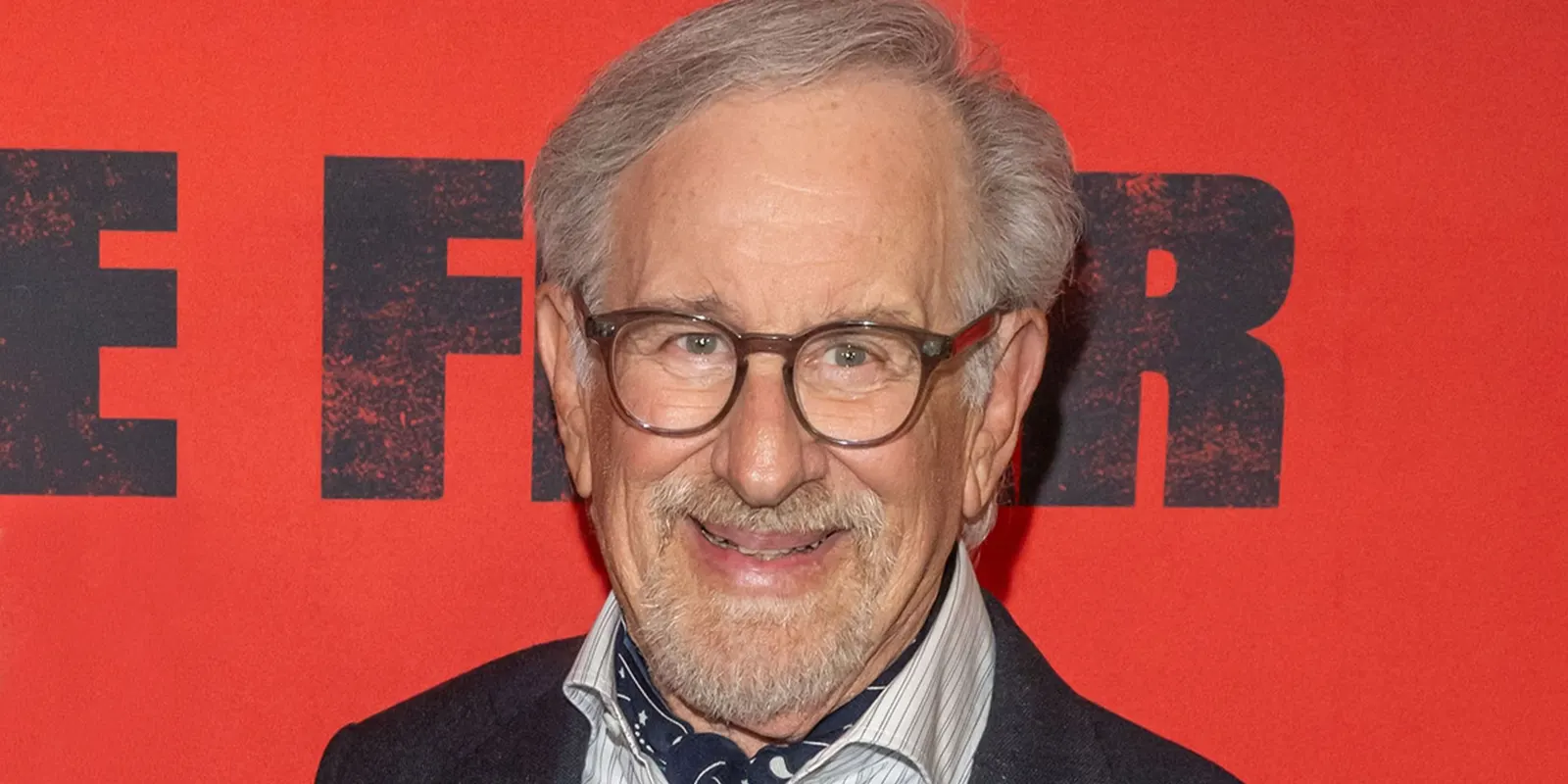
Steven Spielberg's 'War of the Worlds' Returns to Streaming Amid Debate
Steven Spielberg's 'War of the Worlds' is hitting HBO Max next month, reigniting discussions on its mixed reception.