How Jodie Foster Won a Role She Was Never Supposed to Have

Jonathan Demme doubted Jodie Foster was right for Clarice Starling — yet her persistence and passion produced one of cinema's defining performances.
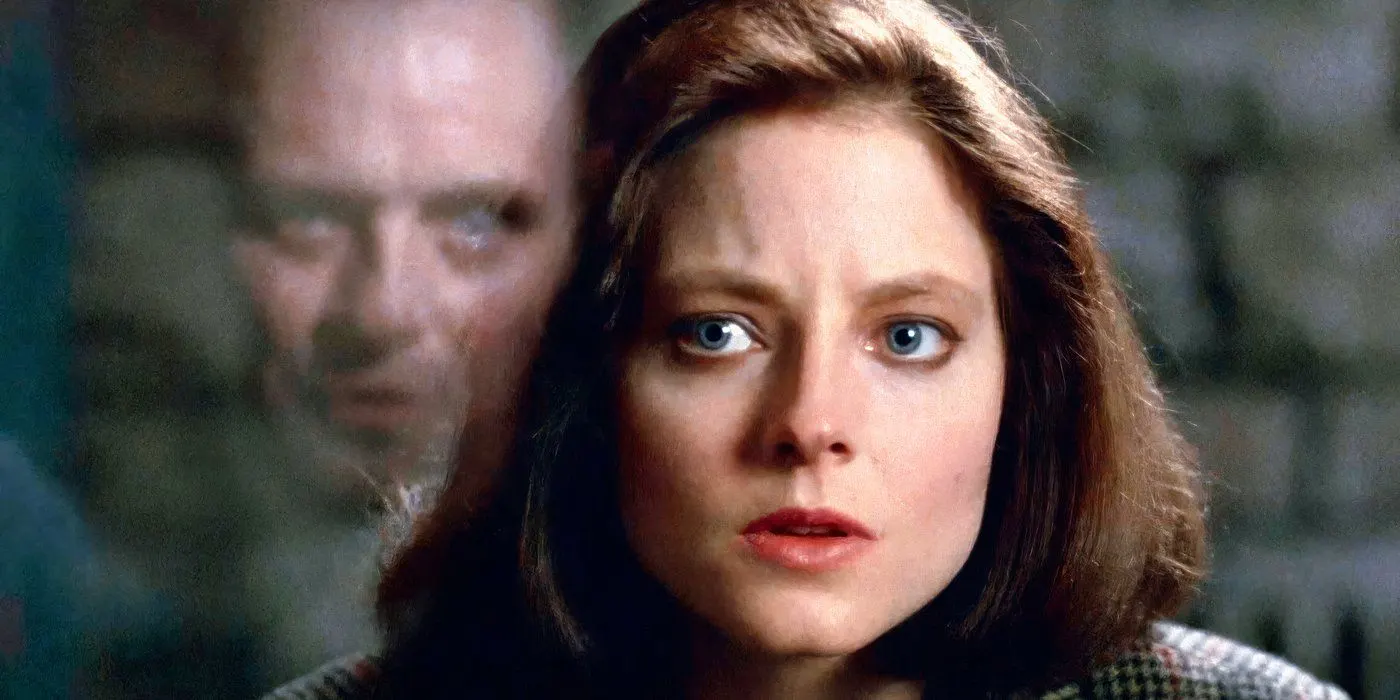
Few casting decisions in modern Hollywood history carry as much weight as the one that placed Jodie Foster at the center of The Silence of the Lambs. Thirty-five years after Jonathan Demme's psychological thriller swept the Academy Awards — claiming Best Picture, Best Director, and lead acting prizes for both Foster and Anthony Hopkins — it remains instructive to examine just how close the film came to being an entirely different proposition.
A Director Who Wasn't Convinced
According to Collider, Demme's first instinct was to cast Michelle Pfeiffer as FBI trainee Clarice Starling. By the early 1990s, Pfeiffer had established herself as one of the most luminous presences in the industry, her work in films like Scarface and The Witches of Eastwick demonstrating an ability to command the screen with an almost effortless authority. When Pfeiffer passed, Demme reportedly approached Meg Ryan — who was said to be mildly put off by the offer — before turning his attention to a then-emerging Laura Dern. The studio, however, kept redirecting him toward Foster, who had been actively campaigning for the role and carried considerable momentum from her Oscar-winning turn in The Accused.
At a 2015 on-stage discussion at the Austin Film Festival, Demme was remarkably candid about his reluctance. He described Foster as appearing too ordinary, too grounded — someone he simply couldn't picture inhabiting the role. "I met Jodie again and was no more taken with her at all," he admitted. Yet it was precisely that quality — a kind of unadorned, deliberate normalcy — that would ultimately make her portrayal so indelible.
What Foster Brought That No One Else Could
The genius of Foster's Clarice lies in its restraint. Where a more conventionally glamorous performer might have softened the character's edges or leaned into star magnetism, Foster stripped the role down to its psychological essentials. Clarice is ambitious and fiercely intelligent, but she moves through the world carefully, suppressing vulnerability while navigating institutions built to exclude her. Lecter's taunts about her "cheap shoes" and provincial tastes land because Foster plays Clarice as someone acutely aware of the social codes she hasn't yet been permitted to master. It's a portrait of aspiration under pressure, and it required exactly the kind of unshowy commitment Foster delivered.
Pfeiffer, for her part, later explained her own reasons for declining in a 2021 New Yorker interview. She was troubled by the film's moral resolution — the sense, in her view, that evil ultimately prevailed — and didn't want to participate in putting that out into the world. It's an honest and thoughtful position, though it does underscore how differently two accomplished actors can read the same material.
The Legacy That Followed
When the 2001 sequel Hannibal arrived, Foster declined to return, reportedly concerned that the script compromised the integrity of Starling's character. Julianne Moore stepped into the role with distinction, bringing a harder, more weathered quality befitting a decade of institutional disillusionment. But the emotional template had already been set.
Foster's influence on the archetype of the female investigator in popular culture proved substantial and lasting. The X-Files creator Chris Carter openly acknowledged that Clarice Starling shaped his conception of Agent Dana Scully — a character who went on to define an era of television and inspire generations of viewers. It's the kind of ripple effect that speaks to genuine cultural impact, the sort that Jodie Foster continues to reflect on thoughtfully as the industry she helped reshape evolves around her.
The Right Actor for the Right Moment
Casting is, at its core, an act of imagination — and Demme's initial failure of imagination very nearly cost the film its soul. The story of how Foster persisted against a director's skepticism, convinced a studio of her vision, and then delivered a performance that changed the grammar of the thriller genre is, in its own way, as compelling as the film itself.
In an era when Hollywood continues to grapple with how to write and cast complex women — a conversation reflected in projects as varied as Sandra Bullock's return to genre filmmaking and discussions around the next generation of Academy members — Foster's Clarice Starling stands as a benchmark that proved the industry's assumptions about star power and screen presence don't always map onto what a story actually needs.
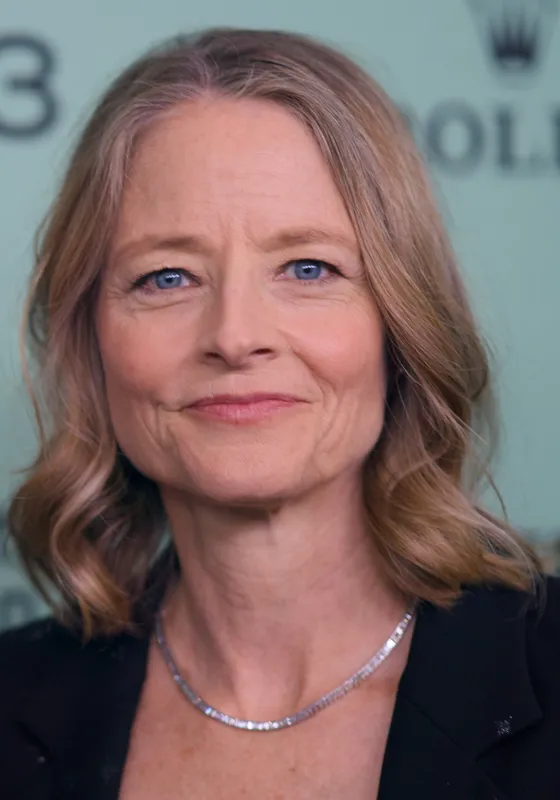 ProfileJodie FosterActress & director
Related
Randy Quaid Slams Anne Hathaway Casting in Days of Thunder Sequel
Randy Quaid, who appeared in the original 1990 film, took to X to demand Nicole Kidman's return and dismiss the Hathaway announcement.
Eva Mendes' 'de Gosling' Tattoo Is the Only One She's Ever Wanted
Eva Mendes is showing off her wrist tattoo again — a small but meaningful piece of ink that carries a deep cultural significance.
Steven Spielberg's 'War of the Worlds' Returns to Streaming Amid Debate
Steven Spielberg's 'War of the Worlds' is hitting HBO Max next month, reigniting discussions on its mixed reception.