Gal Gadot, Two Films, and the Israeli Election Nobody Predicted

From a box-office drama about October 7 to a controversial IDF documentary, cinema and celebrity collided at Israel's ballot box.
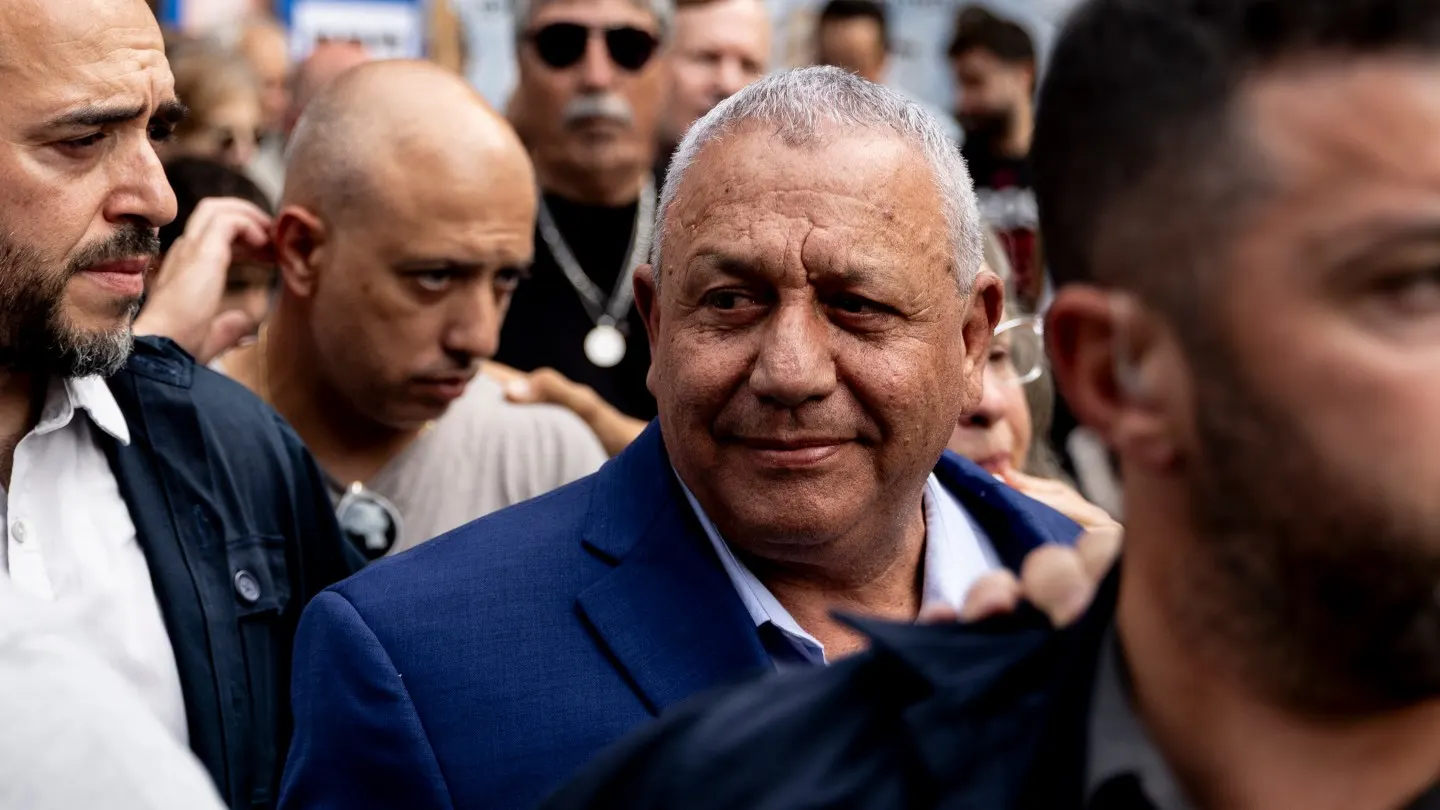
Cinema has always carried political weight — from the propaganda reels of the 1930s to the documentaries that helped define public opinion during Vietnam — but it rarely lands in such direct proximity to a live electoral contest. Israel's most recent parliamentary election appears to be one of those rare cases, with two films and the country's most internationally recognized star all converging on a result that, as of exit polling, remains extraordinarily close.
A Drama That Didn't Need to Name Names
Avi Nesher's Our Loves is, on its surface, an action-inflected emotional story following Israelis struggling to survive the October 7 Hamas attacks. It does not position itself as a campaign advertisement, and its prevailing mood is one of grief-tinged national solidarity rather than partisan polemic. Yet the film's very subject matter — a civilian population exposed by security failures and an absent military apparatus — carries an implicit critique of the government that presided over that day. Released deliberately two weeks before the election, according to The Hollywood Reporter, the film drew approximately 150,000 admissions in Israel, a remarkable figure for a domestic, non-Hollywood production in a relatively small market.
Nesher, a filmmaker whose career has repeatedly returned to Israel's founding traumas — works like Rage and Glory and Image of Victory both orbit the 1948 conflict — carries genuine cultural authority. His public statements have been unambiguous: he does not support the Netanyahu government and has said openly he believes its members would be uncomfortable watching Our Loves. When an artist of his standing frames a film around institutional failure during a national catastrophe, audiences arrive with that context already in place.
The Documentary Working at a Distance
NAZA, the documentary co-directed by Yuval Abraham and Rachel Szor and featuring testimony from roughly two dozen IDF whistleblowers about the conduct of the Gaza war, was never theatrically released in Israel. Its influence, then, operated through a different channel: the documentary's Venice premiere last month saturated Israeli press and media, fueling weeks of editorial debate. The Netanyahu government's response — threatening, without apparent legal basis, to strip the filmmakers of their citizenship — drew as much attention as the film itself. That show of force may have energized the prime minister's core base, but analysts suggest it risked alienating the broader, undecided middle that any governing coalition ultimately needs. An administration visibly hostile to internal criticism is a liability in any democracy, and the gesture underscored exactly the grievance that opposition voters had been articulating for months.
Gal Gadot's Homecoming Vote
Few figures could amplify this cultural moment the way Gal Gadot did. The Wonder Woman star flew in from Los Angeles specifically to vote, posted an Instagram video of herself at the polling station, and made her preference for the anti-Netanyahu Change bloc explicit — urging fellow Israelis to participate as roughly 80 percent ultimately did.
Her involvement didn't stop at social media. Gadot appeared in a sketch on Eretz Nehederet, Israel's long-running political satire program akin to Saturday Night Live, which aired while polls were still open. Playing a version of herself navigating an Uber ride, she touched on the peculiar isolation of being an Israeli living abroad — noting, with understated precision, that what international audiences see of the conflict and what Israelis see rarely overlap. It was a genuinely resonant moment: culturally fluent, politically legible without being reductive.
For a star who has built a multifaceted career across action blockbusters and more personal projects, this kind of direct civic engagement carries a weight that a conventional celebrity endorsement rarely achieves. Gadot is not a peripheral figure in Israeli public life — she is, by most measures, its most visible representative on the global stage.
The Bigger Picture
Exit polling placed the Change bloc and Netanyahu's coalition in a near-perfect deadlock — 51 seats apiece on two of three television decision desks, with the ultimate outcome dependent on final vote tallies and coalition arithmetic. Whether two films and one celebrity appearance genuinely shifted the result is, of course, impossible to quantify with precision. What is clear is that the cultural conversation surrounding this election was unusually shaped by cinema, and that is a story worth understanding on its own terms.
Related on Ni4o: Gal Gadot's Wild In the Hand of Dante Lands on Netflix · Gal Gadot's Gritty Journey Through Injury in 'The Runner' · Gal Gadot Embraces AI in New Film, Stresses Performance Authenticity
 ProfileGal GadotActress & producer
Related
Randy Quaid Slams Anne Hathaway Casting in Days of Thunder Sequel
Randy Quaid, who appeared in the original 1990 film, took to X to demand Nicole Kidman's return and dismiss the Hathaway announcement.

Eva Mendes' 'de Gosling' Tattoo Is the Only One She's Ever Wanted
Eva Mendes is showing off her wrist tattoo again — a small but meaningful piece of ink that carries a deep cultural significance.
Steven Spielberg's 'War of the Worlds' Returns to Streaming Amid Debate
Steven Spielberg's 'War of the Worlds' is hitting HBO Max next month, reigniting discussions on its mixed reception.