Four Gary Oldman Films That Represent Transformative Cinema at Its Peak

From punk tragedy to Cold War espionage, Gary Oldman's most complete performances illuminate four films that rank among modern cinema's finest achievements.
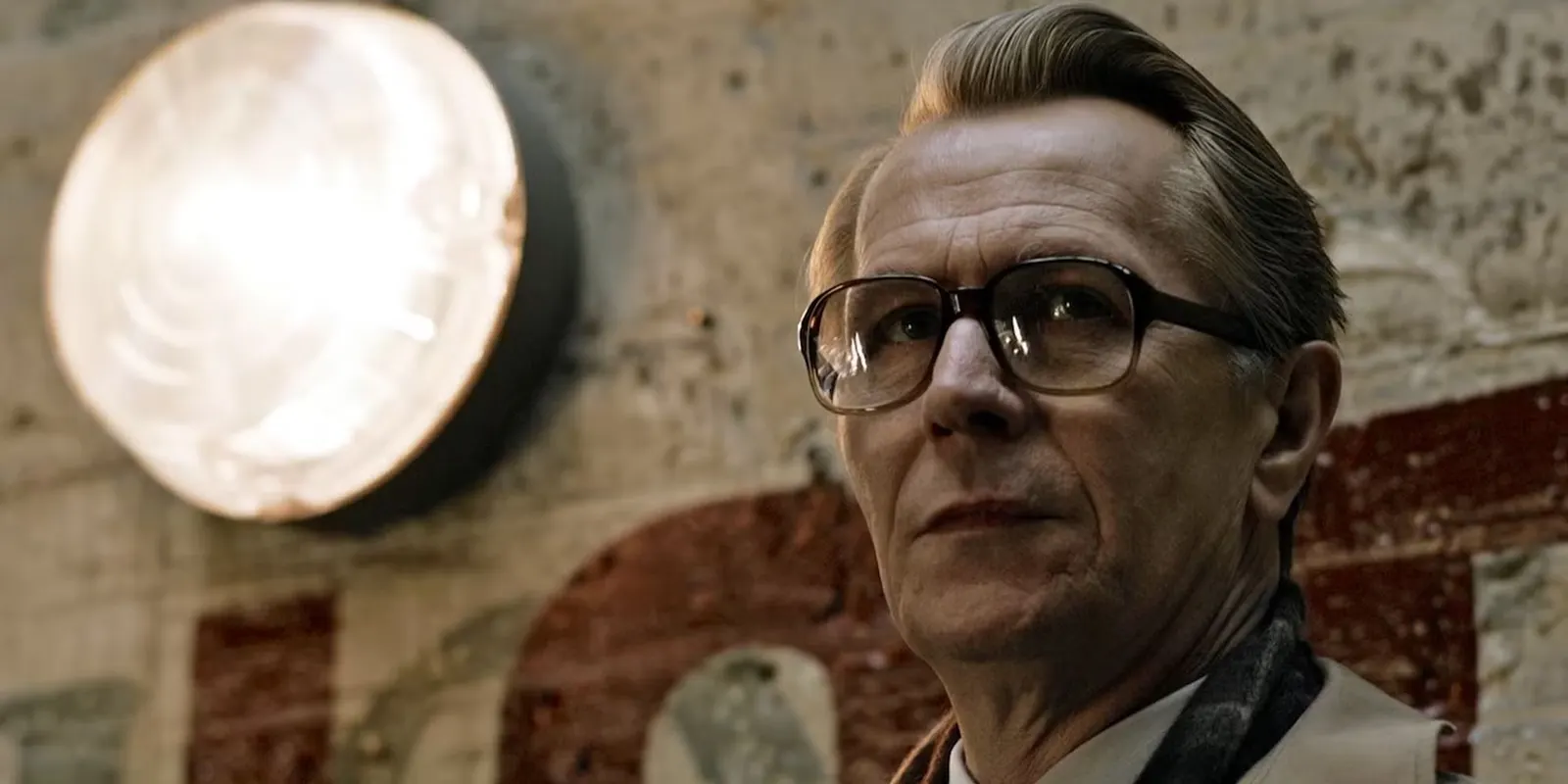
Few working actors have built a filmography as deliberately varied as Gary Oldman's, and fewer still have managed to disappear so completely into each new role that the connective tissue between performances becomes nearly invisible. According to Collider, four films in particular stand as monuments not just to Oldman's craft but to the kind of transformative screen acting that quietly elevates everything around it.
Sid and Nancy: Chaos as Character Study
Alex Cox's 1986 portrait of Sex Pistols bassist Sid Vicious and his turbulent relationship with Nancy Spungen remains one of the more uncomfortable entries in the music biopic canon — deliberately so. Where the genre so often reaches for myth-making, Sid and Nancy settles into something grimier and more honest: two people whose shared appetite for destruction amplifies rather than softens each other's worst tendencies. Oldman's Sid carries a peculiar childlike quality even through scenes of genuine ugliness, as though he's perpetually surprised by the wreckage accumulating around him. The film's infamous "My Way" sequence crystallizes this tension beautifully — lounge-singer absurdity giving way to violent punk fantasy in a way that compresses Sid's entire fractured self-image into a few electric minutes.
JFK: A Man at the Edge of the Frame
Oliver Stone's 1991 political epic is, depending on one's tolerance for conspiratorial provocation, either a masterwork of paranoid filmmaking or the most entertaining filing-cabinet explosion ever committed to celluloid — possibly both. Inside that deliberately overwhelming architecture, Oldman's Lee Harvey Oswald functions less as a character to be understood than as a disputed historical object, glimpsed in fragments and contradictions. The approach suits Stone's thesis perfectly. Oswald never solidifies into a tidy explanation, which keeps the film's central question genuinely alive. Even scenes of people poring over documents achieve a strange urgency here, the sense that any overlooked detail might shift the entire picture.
Tinker Tailor Soldier Spy: The Eloquence of Stillness
Tomas Alfredson's 2011 adaptation of John le Carré's novel handed Oldman one of cinema's most counterintuitive assignments: make watching a man listen feel like the most gripping thing in the room. As retired spymaster George Smiley, pulled reluctantly back into British intelligence to identify a Soviet mole, Oldman operates almost entirely in negative space — withheld emotion, measured pauses, a quality of watching that carries more weight than most actors generate through outright declaration. The scene in which Smiley recounts a long-ago meeting with Soviet counterpart Karla works on multiple frequencies simultaneously, framing an apparent intelligence debrief as a quietly devastating confession about his own marriage. Matthew Macfadyen is set to step into similar territory with a Smiley-adjacent role in Legacy of Spies, a reminder of how durable this corner of le Carré's world has proven. Oldman's work here arguably represents the fullest expression of what he's capable of when stripped of obvious theatrical register — and it's worth noting that he's continued exploring morally complex intelligence figures in his acclaimed television work; his recent comments on Slow Horses Season 6 suggest that series continues to push him in similarly demanding directions.
The Dark Knight: Integrity Under Siege
Christopher Nolan's 2008 superhero film remains something of a benchmark for what the genre can achieve when it commits fully to psychological and moral weight. Oldman's Jim Gordon — not yet commissioner when the film opens — occupies a particular dramatic function that's easy to undervalue: he is the story's moral center, the man trying to hold institutional order together while the forces surrounding him, heroic and villainous alike, operate by their own extralegal rules. His staged death and subsequent return during the armored-vehicle chase is among the film's cleverest misdirections, but it's the final scene that endures. Gordon's quiet explanation to his son of why Batman must absorb blame for Harvey Dent's crimes turns what might have been a conventional heroic ending into something genuinely elegiac. Oldman is surrounded throughout by performances demanding far more obvious attention; Gordon registers anyway because he's the one person in Gotham who understands what everything is actually costing.
Taken together, these four films don't simply showcase range — they demonstrate how an actor of genuine seriousness can find, and honor, the specific gravity each story requires. For more on Oldman's continued presence at the intersection of film and prestige television, his recent appearance at THR's TIFF Studio offered a rare extended look at how he thinks about the craft.
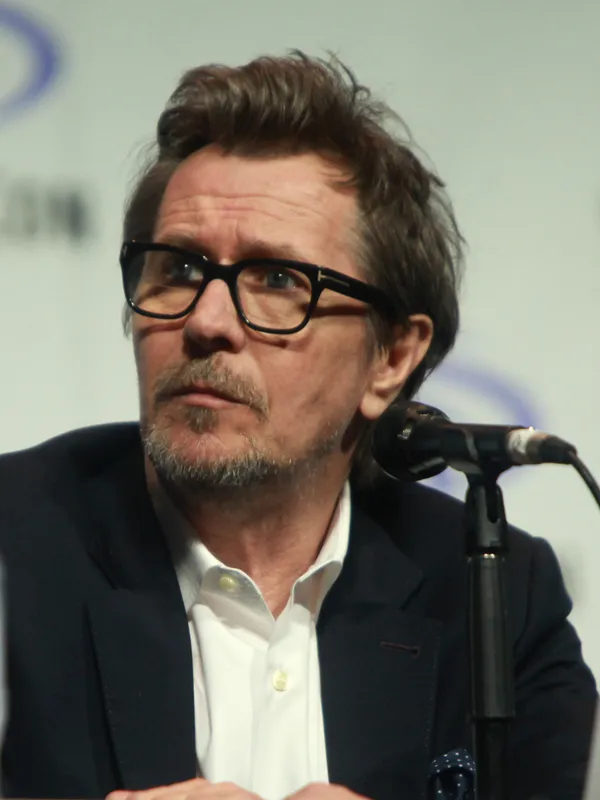 ProfileGary OldmanActor
Related
Randy Quaid Slams Anne Hathaway Casting in Days of Thunder Sequel
Randy Quaid, who appeared in the original 1990 film, took to X to demand Nicole Kidman's return and dismiss the Hathaway announcement.

Eva Mendes' 'de Gosling' Tattoo Is the Only One She's Ever Wanted
Eva Mendes is showing off her wrist tattoo again — a small but meaningful piece of ink that carries a deep cultural significance.
Steven Spielberg's 'War of the Worlds' Returns to Streaming Amid Debate
Steven Spielberg's 'War of the Worlds' is hitting HBO Max next month, reigniting discussions on its mixed reception.