Emily Wilson's Translation Amidst Nolan's 'Odyssey' Controversy

Emily Wilson, the first woman to translate 'The Odyssey,' critiques Nolan's adaptation, igniting a passionate debate in the literary and film worlds.

Christopher Nolan's latest film adaptation of Homer's The Odyssey has stirred significant discourse, particularly following the critiques from Emily Wilson, the first woman to translate the ancient epic into English. Her response to the blockbuster raises crucial questions about fidelity to the source material, cinematic interpretation, and the responsibilities of filmmakers adapting revered literature.
Emily Wilson's Scholarly Critique
Wilson's translation of The Odyssey was groundbreaking, not only because she was the first woman to take on this monumental task, but also due to her modern and accessible approach to the text. Her critiques of Nolan’s film stem from a place of scholarly integrity and a deep respect for Homeric literature. In particular, she highlights areas where the film diverges from the essence of the source, revealing a tension between artistic license and faithful retelling that filmmakers often grapple with when adapting classic narratives for contemporary audiences.
In her view, adapting such a storied text requires more than a mere transfer of plot points to the screen; it demands an understanding of the thematic and cultural contexts that shaped the original work. This nuance can often be lost in the spectacle of modern cinematic storytelling, a point that Nolan himself is keenly aware of as he maneuvers through the ambitious terrain of literary adaptation.
Nolan's Response to Criticism
Nolan's approach to adaptation has sparked debates within both the film industry and literary circles. Responding to the backlash, he has pointed to previous experiences, notably the Dark Knight trilogy, where initial criticism evolved into widespread acclaim. Nolan argues that adaptation is inherently a subjective process, allowing for a personal interpretation that can resonate with contemporary viewers. His dismissal of the backlash surrounding The Odyssey suggests an understanding that not all adaptations will meet every fan's expectations, yet they can still contribute meaningfully to the narrative's legacy.
This philosophical stance opens the door for a broader discussion on what it means to adapt literature for the screen. Nolan's reputation as a filmmaker who takes risks with storytelling is well-established; after all, he has previously opened conversations around complex narratives and unconventional storytelling methods, such as in Inception and Dunkirk.
Bridging Literary and Cinematic Worlds
As Nolan explores the intricate layers of The Odyssey, he aims to bridge the gap between high art and mainstream cinema. This ambition often positions filmmakers like Nolan at the intersection of commercial success and critical scrutiny. The challenge is pronounced in adapting such revered works, where the expectations are as monumental as the original texts themselves.
Nolan's motivations for choosing to adapt The Odyssey speak to his respect for classical stories and their timeless relevance. Notably, this film also marks a departure from his typical narrative structures, hinting at a more experimental phase in his career.
The Future of Adaptation
As Wilson prepares for her re-translation of The Odyssey, the dialogue between scholarly interpretation and cinematic adaptation continues to flourish. This situation underscores the evolving relationship between literature and film, raising questions about authenticity, artistic freedom, and the cultural significance of stories through the ages. It is a conversation as timeless as the epic itself, compelling audiences to reflect not just on the stories being told, but on how they are told.
In a world where cinema's relationship to literature is more pronounced than ever, both Wilson's critical remarks and Nolan's ambitious adaptation remind us that literature can exist beautifully in multiple forms, each elucidating different interpretations and insights. As we continue to witness the unfolding narrative, the confluence of these creative endeavors—a new translation and a high-profile film—may ultimately enrich our understanding of both Homer and the artistry of adaptation.
For fans of Nolan and lovers of literature alike, this ongoing dialogue promises to expand our appreciation for the art of storytelling in all its forms.
Related on Ni4o: How Christopher Nolan Convinced Ryan Coogler to Shoot 'Sinners' in IMAX · Tom Holland Reflects on Challenging First Day with Nolan in 'The Odyssey' · Tom Holland Reveals How Christopher Nolan Approached Zendaya for 'The Odyssey'
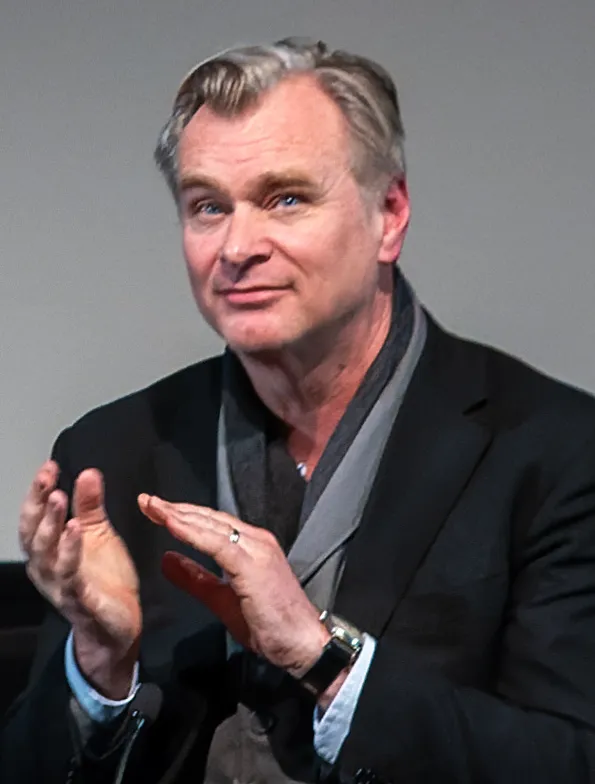 ProfileChristopher NolanFilmmaker
Related
Randy Quaid Slams Anne Hathaway Casting in Days of Thunder Sequel
Randy Quaid, who appeared in the original 1990 film, took to X to demand Nicole Kidman's return and dismiss the Hathaway announcement.
Eva Mendes' 'de Gosling' Tattoo Is the Only One She's Ever Wanted
Eva Mendes is showing off her wrist tattoo again — a small but meaningful piece of ink that carries a deep cultural significance.
Steven Spielberg's 'War of the Worlds' Returns to Streaming Amid Debate
Steven Spielberg's 'War of the Worlds' is hitting HBO Max next month, reigniting discussions on its mixed reception.