Dolly Parton Refused the 'Pop' Label: 'Call It Dolly Parton Music'

She crossed over to pop radio without ever leaving herself behind — and she had a very specific name for the genre she created.
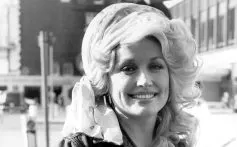
Dolly Parton never needed a genre to define her — she defined the genre. Long before her crossover hits were racking up chart positions and her collaborations were setting the internet on fire, she drew a firm, rhinestone-studded line in the sand: the music she made was hers, full stop, and no radio format was going to tell her otherwise.
'I Will Go There as Me'
According to Billboard, the Billboard Pop Shop Podcast recently turned its spotlight onto Parton's complicated, fascinating relationship with pop music — a conversation made all the more poignant following her death at age 80. Hosts Katie Atkinson and Keith Caulfield dug into the crossover question that followed Parton throughout her six-decade-plus career, surfacing a 1977 interview from Country Music magazine that feels as sharp today as ever.
That same year, Parton released "Here You Come Again," one of her most undeniably pop-leaning singles. But even as the song climbed mainstream charts, she was remarkably clear-eyed about what it meant — and what it didn't mean. She acknowledged she would eventually cross over to pop, but insisted it would happen entirely on her own terms. She wasn't chasing a sound or shapeshifting to fit a mold. She was simply bringing herself somewhere new.
The Label She Actually Preferred
In that interview, Parton offered a line that deserves to be etched somewhere permanent: if her music had to have a label, she'd call it country — because she is country — but what she'd really prefer is to just call it "Dolly Parton music." It's a statement that sounds playful on the surface but carries real artistic weight. She was rejecting the industry's need to categorize and contain her, asserting that her identity was the genre. No box required.
That philosophy held across collaborations with her goddaughter Miley Cyrus, gospel recordings, rock flirtations, and everything in between. Dolly even planned her own funeral song and reportedly left a secret track sealed until 2046 — which tells you everything about how seriously she took the long arc of her artistic legacy.
Chart Legacy Still Moving
The podcast episode wasn't just a tribute — it was packed with live chart news that showed Parton's music is still very much in motion. Her best-of collection Ultimate Dolly Parton re-entered the Billboard 200 albums chart at No. 5 in the wake of her passing, proof that listeners are turning back to the catalog with fresh ears and heavy hearts. Meanwhile, Ella Langley's "Choosin' Texas" hit 20 weeks at No. 1 on the Hot 100 — the most weeks atop the chart for any non-holiday song — and ENHYPEN scored its first Billboard 200 No. 1.
A Genre of One
The artists who've paid tribute to Parton since her passing speak to just how far her reach extended beyond any single format. Beyoncé called her "the North Star" in an emotional statement, and Eminem — someone who existed in a completely different musical universe — mourned her as "a superstar in every sense." That's what happens when you spend a career refusing to be anything less than yourself.
Dolly Parton didn't go pop. She didn't go anywhere, really — she just kept expanding, pulling listeners from every corner of the dial into her orbit. Country fans, pop fans, gospel listeners, rock devotees — they all found something to hold onto. Because in the end, the genre was always the same: it was Dolly Parton music, and there was nobody else making it.
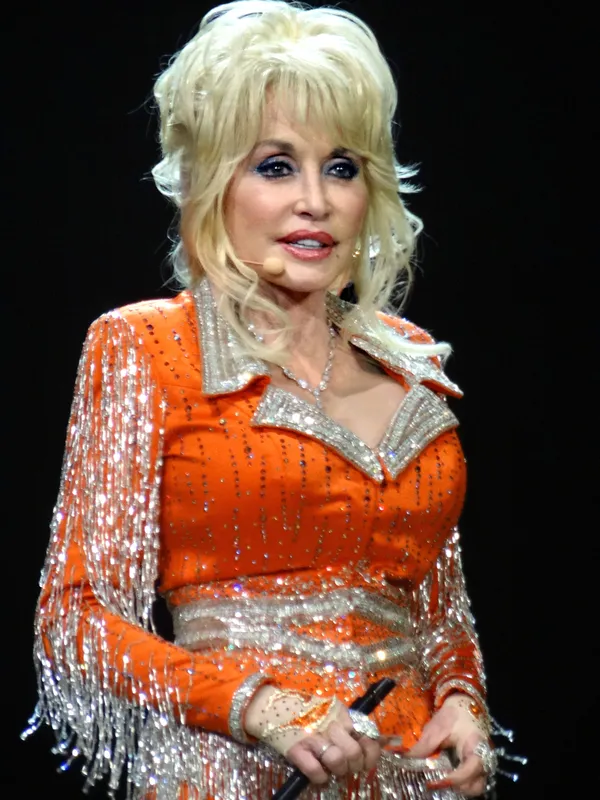 ProfileDolly PartonSinger-songwriter
Related

Olivia Rodrigo's Daisy Chain Fields Festival: A Celebration of Music and Purpose
The Daisy Chain Fields Festival, headlined by Olivia Rodrigo, united fans and nonprofits in a joyous celebration of women and music.
Miley Cyrus Hints at New Era With Cryptic Red-and-Black Teaser
Exactly one year after 'Something Beautiful,' Miley Cyrus is flooding the internet with mysterious red-and-black imagery — and a new label to back it up.
How a Nashville Laundromat Sparked Dolly Parton's Six-Decade Love Story
Dolly Parton and Carl Dean built one of music's most enduring marriages on a simple formula: distance, devotion, and deep difference.