Defamation Claim Escalates Legal Battle Over Nicolas Cage's 'Fortitude'

A lawsuit against Netflix over a stolen WWII thriller starring Nicolas Cage has grown more complex, with a defamation claim now added to the case.
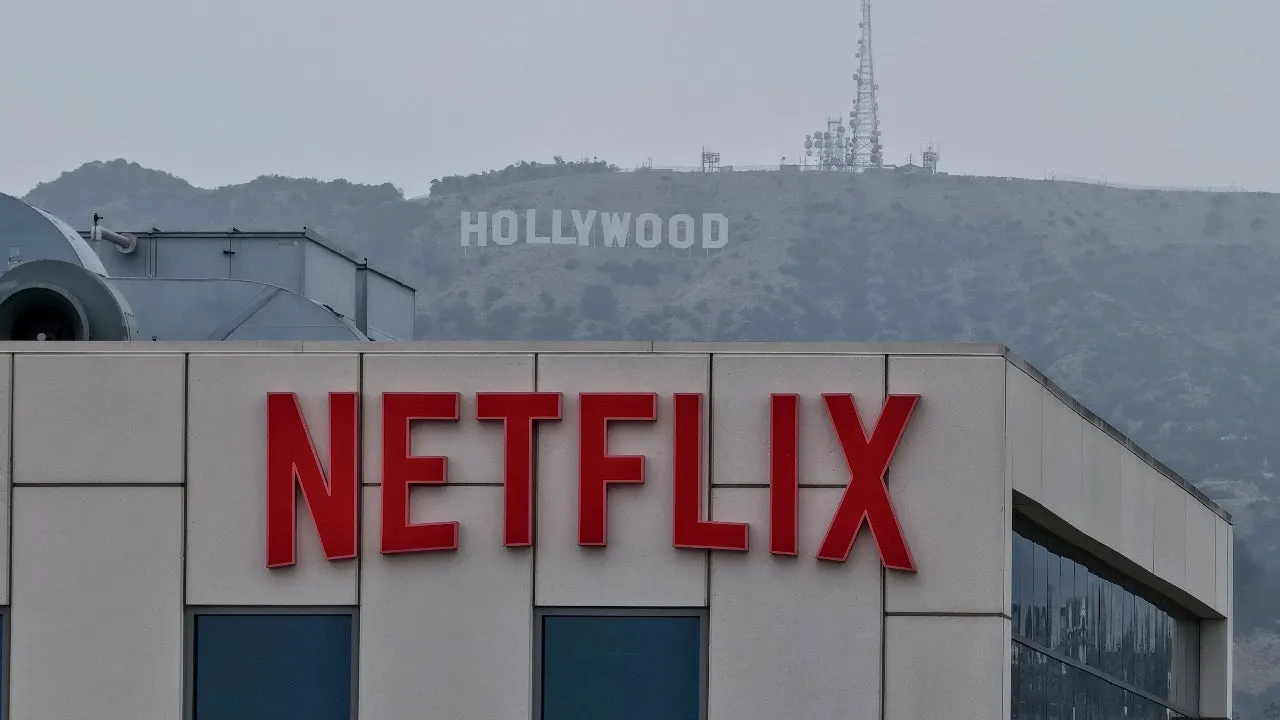
What began as a straightforward allegation of negligence has evolved into a significantly more contentious legal dispute, with the producer behind Nicolas Cage's World War II thriller Fortitude now accusing Netflix of defamation in addition to the original claims of mishandling the film. The case raises pointed questions about how streaming platforms manage the physical and digital custody of high-value, independently financed productions.
The Original Lawsuit and What It Alleged
According to TheWrap, producer Simon Afram and his production entity Op-Fortitude filed a federal lawsuit on July 29 alleging that Netflix allowed an unencrypted copy of Fortitude to go missing from its facilities earlier in 2026. The suit is no small matter — Afram is seeking $105 million in damages and contends that the film's disappearance could critically undermine its ability to be sold or distributed through other channels. For a project that reportedly consumed more than $45 million and seven years of Afram's professional life, the stakes are understandably high. Cage, who has demonstrated a remarkable ability to anchor ambitious, mid-budget genre films throughout his career — a quality evident in projects ranging from National Treasure to his more recent auteur-adjacent work — gives the project an inherent commercial profile that makes the alleged loss even more consequential.
Netflix's Statement and the Defamation Allegation
The lawsuit took a sharper turn after Netflix issued a public statement following the case's initial media coverage. The streamer characterized Afram's legal team as engaging in "hostile attempts to extort money," claiming that counsel immediately demanded $165 million rather than cooperating in good faith. That framing, however, is precisely what Afram's team disputes — and it forms the crux of the newly added defamation claim.
The amended complaint lays out a detailed chronology to counter Netflix's narrative. After being notified of the theft on June 25, 2026, Afram's attorneys sent their first correspondence to Netflix on June 29 — a letter that, per the filing, requested only information and a meeting, with no monetary demand attached. Netflix reportedly declined to cooperate the following day. It was only on July 1, after that refusal, that the figure of $165 million was formally introduced as compensation for the film's loss and its compromised market exclusivity. The amended suit argues that Netflix's public use of the word "extortion" to describe this sequence of events constitutes actionable defamation, characterizing the allegation as accusing Afram of "a serious crime" in retaliation for his reasonable requests.
Questions of Industry Responsibility and Risk
Beyond the legal particulars, the case touches on broader industry questions about how streaming platforms handle physical deliverables. Netflix, for its part, has maintained that it disputes bearing responsibility for a film "delivered without the proper industry-standard safeguards." This argument, if it proceeds to trial, could set meaningful precedent for how risk of loss is allocated between independent producers and the major platforms that license their work.
The circumstances echo, in some ways, the broader tension that independent filmmakers have long experienced with powerful distributors — a power imbalance that becomes especially stark when something goes as fundamentally wrong as a film physically disappearing. For a streamer that has hosted prestige productions from across the globe, including titles like Gal Gadot's In the Hand of Dante, the optics of an unencrypted film going missing from its offices are difficult to manage.
What Comes Next
With the amended complaint now in place, the legal battle is clearly entering a more adversarial phase. Afram's team has shown a willingness to expand the scope of their claims rather than seek a quiet settlement, suggesting a determination to litigate the matter fully. For Cage — whose career has long defied easy categorization, from his early work with the Coppola family to his current status as a kind of cult cinema icon — Fortitude remains an unreleased project whose fate is now entangled in a dispute that shows no immediate signs of resolution.
Related on Ni4o: Nicolas Cage's Superman Lives: A Possible Tribute in Supergirl · National Treasure Is Quietly Dominating Hulu's Charts Right Now · Why the MCU's Ghost Rider Reboot Should Bring Back Sam Elliott
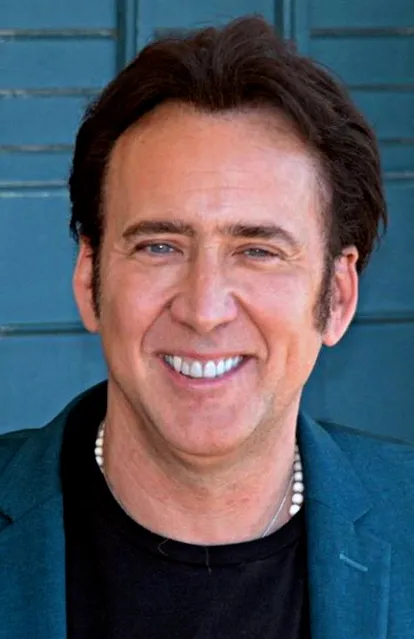 ProfileNicolas CageActor
Related
Randy Quaid Slams Anne Hathaway Casting in Days of Thunder Sequel
Randy Quaid, who appeared in the original 1990 film, took to X to demand Nicole Kidman's return and dismiss the Hathaway announcement.

Eva Mendes' 'de Gosling' Tattoo Is the Only One She's Ever Wanted
Eva Mendes is showing off her wrist tattoo again — a small but meaningful piece of ink that carries a deep cultural significance.
Steven Spielberg's 'War of the Worlds' Returns to Streaming Amid Debate
Steven Spielberg's 'War of the Worlds' is hitting HBO Max next month, reigniting discussions on its mixed reception.