David Harbour Plays a Hearing-Impaired Interpreter in HBO's DTF St. Louis

Steve Conrad's HBO limited series brings a '70s film sensibility to a darkly comic bromance set in the heart of the Midwest.
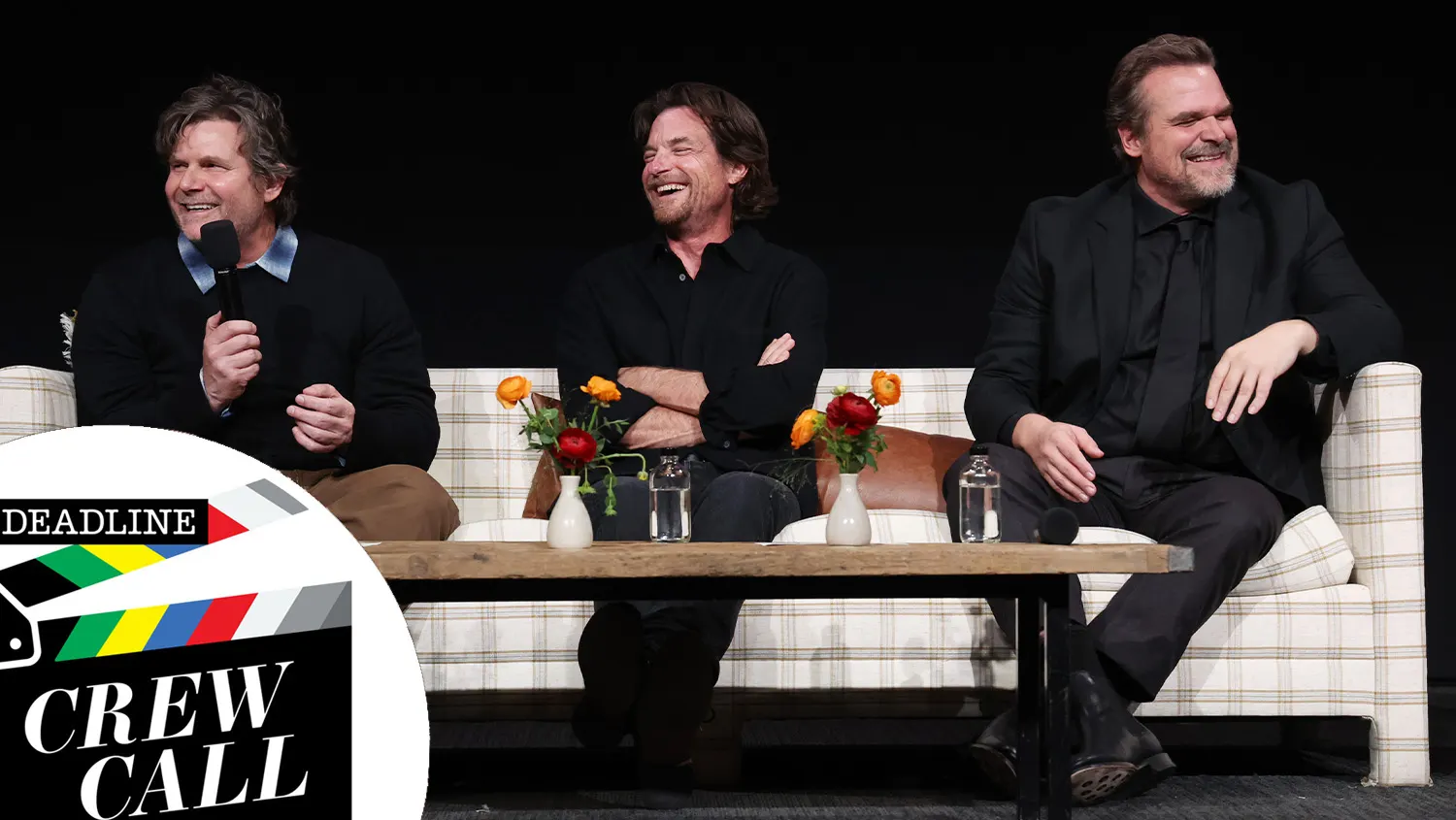
Steve Conrad's new HBO limited series DTF St. Louis arrives with the kind of unhurried, character-driven DNA rarely associated with prestige television — something closer in spirit to the morally ambiguous, working-class dramedies that defined American cinema in the 1970s. According to Deadline, the show centers on an unlikely friendship between two co-workers navigating the peculiarities of modern desire somewhere deep in River City.
A Bromance Built on Unlikely Chemistry
At the heart of DTF St. Louis is a pairing that, on paper, shouldn't work quite as well as it apparently does. Jason Bateman plays a local television weatherman — that peculiarly Midwestern institution — while David Harbour takes on the role of Floyd, the man's hearing-impaired sign language interpreter. It's the kind of blue-collar professional arrangement that rarely earns a second glance in real life, which is precisely what makes it such fertile ground for Conrad's brand of deadpan excavation. Bateman's character, operating with the breezy confidence of someone accustomed to reading weather maps and nothing more complicated, introduces Floyd to a kinky dating app, and the story unfolds from there.
For Harbour, the role represents another opportunity to disappear into a character defined less by physical presence than by interior texture. Fans who have followed his arc from Stranger Things through more recent projects — including his upcoming Netflix spy series alongside Millie Bobby Brown — will recognize his particular gift for rendering vulnerability without sentimentality. Floyd, a man who exists professionally in the space between communication and silence, feels like a role tailored to that sensibility.
The Midwest as Moral Landscape
Conrad, whose previous work has demonstrated a sustained fascination with the quiet desperation of ordinary American life, uses St. Louis not merely as a backdrop but as a kind of moral ecosystem. The Midwest, with its particular mixture of civic pride and suppressed strangeness, has long been underserved as a dramatic setting — too easily dismissed in favor of coastal neurosis or Southern Gothic. DTF St. Louis seems intent on correcting that, tapping into what Conrad himself has described as the region's exoticism and underbelly.
The series layers its bromance narrative with a love triangle involving Carol, played by Linda Cardellini, who is Floyd's wife. The introduction of Carol transforms what might have been a straightforward buddy comedy into something considerably thornier — a study in loyalty, desire, and the way men sometimes use friendship as a substitute for honest self-examination. Cardellini, consistently one of the more underappreciated performers working in prestige television, brings the kind of grounded specificity that prevents Carol from becoming a mere narrative device.
Darkness at the Edge of the Comedy
What distinguishes DTF St. Louis from more conventional limited-series fare is the shadow it appears to cast over its own proceedings. The series ultimately arrives at what can only be described as a weird murder — or perhaps a suicide; Conrad appears content to leave the question deliberately open. That ambiguity is itself a 1970s inheritance, evoking an era when American filmmakers trusted audiences to sit with unresolved conclusions rather than demanding tidy moral accounting.
The creative pedigree assembled here — Conrad's authorial voice, Harbour's understated intensity, Bateman's facility with comedic timing shaded by something darker — suggests a project that takes seriously the idea that genre is a starting point rather than a destination. In an era when streaming has largely rewarded spectacle over interiority, DTF St. Louis sounds like a quietly stubborn bet on character. Whether HBO's audience will meet it there remains to be seen, but the ingredients are compelling enough to warrant serious attention.
With Harbour's profile continuing to rise across film and television — his range extending well beyond the roles that first brought him mainstream recognition — DTF St. Louis arrives at a moment when the actor seems genuinely interested in complicating whatever expectations audiences bring to his name.
Related on Ni4o: David Harbour & Millie Bobby Brown Reunite for Netflix Spy Series · Hugh Jackman's 'The Sheep Detectives' Becomes a Prime Video Hit
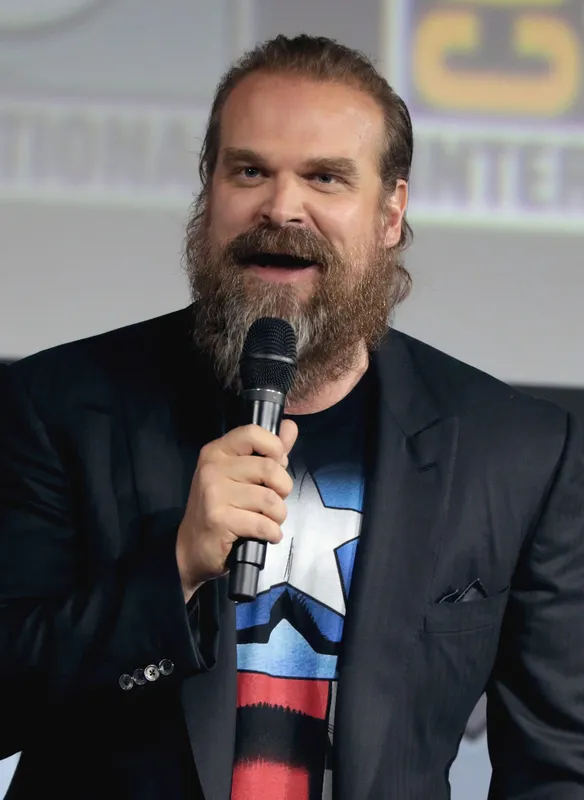 ProfileDavid HarbourAmerican actor known for Stranger Things and Hellboy
Related
Randy Quaid Slams Anne Hathaway Casting in Days of Thunder Sequel
Randy Quaid, who appeared in the original 1990 film, took to X to demand Nicole Kidman's return and dismiss the Hathaway announcement.

Eva Mendes' 'de Gosling' Tattoo Is the Only One She's Ever Wanted
Eva Mendes is showing off her wrist tattoo again — a small but meaningful piece of ink that carries a deep cultural significance.
Steven Spielberg's 'War of the Worlds' Returns to Streaming Amid Debate
Steven Spielberg's 'War of the Worlds' is hitting HBO Max next month, reigniting discussions on its mixed reception.