David Fincher Embraces AI as a Filmmaking Tool: 'Should We Not Use It?'

David Fincher has stepped into the AI debate surrounding the Cliff Booth sequel, arguing that dismissing new technology outright misses the point.
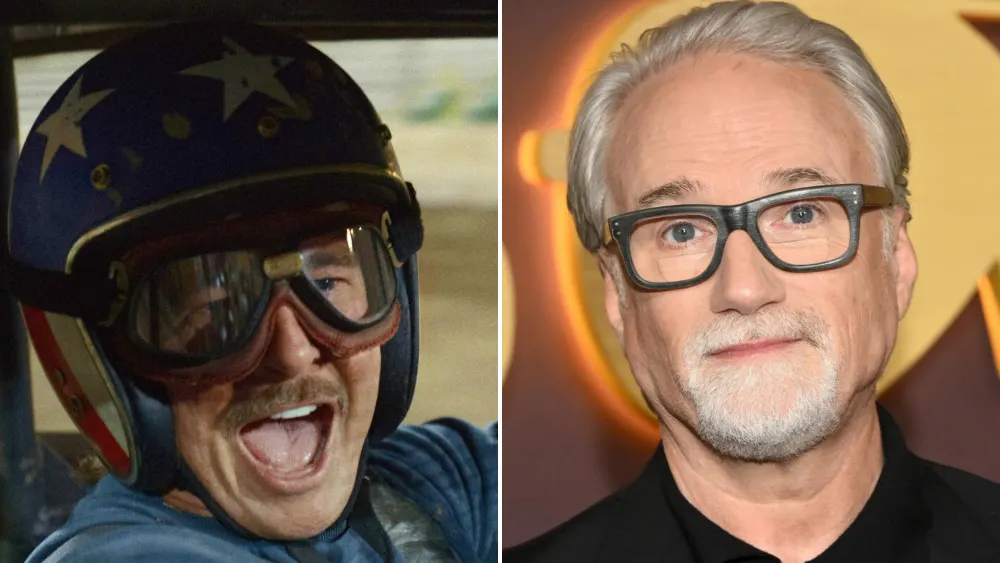
David Fincher has never been a director content to stand still. From the meticulous control he exerts over every frame — a quality Timothy Olyphant once interpreted as a deliberate power move — to his relentless pursuit of technical precision, Fincher has always positioned himself at the intersection of craft and innovation. His latest public comments, in which he defended the use of generative AI in filmmaking, suggest that posture hasn't softened one bit.
The Context: A Sequel Stirring Debate
The controversy centers on The Further Mis-Adventures of Cliff Booth, the forthcoming follow-up to Quentin Tarantino's Once Upon a Time in Hollywood (2019), for which Fincher serves as director. We've previously covered Fincher's attachment to the project as it developed, and the film's premise is already rich with irony: a story drenched in Old Hollywood nostalgia, helmed by a filmmaker who seems constitutionally incapable of looking backward. Critics and industry observers have flagged what appears to be visible generative AI imagery in materials associated with the production, and that scrutiny has been building steadily.
Fincher's Defense: Pragmatism Over Ideology
Speaking to the Los Angeles Times — as originally reported by Deadline — Fincher addressed the backlash with characteristic bluntness. "I'm not a Luddite, so I don't fear the unknown," he said, before posing the rhetorical question that has since ricocheted across film forums and social media: "Well, it exists. Should we not use it?" The framing is vintage Fincher — rational, slightly impatient, uninterested in sentimental arguments. It echoes the same logic that has driven him to embrace digital cinematography, motion-capture performance, and synthetic sound design long before those tools became industry standard.
The question, of course, is more complicated than Fincher's terse framing suggests. The generative AI debate in Hollywood is not simply about whether a tool exists, but about labor displacement, the provenance of training data, and the aesthetic integrity of images produced without human authorship at their core. Those are legitimate concerns, and they aren't easily dismissed by an appeal to technological inevitability.
A Director Who Has Always Pushed the Medium Forward
Still, it's worth taking Fincher's perspective seriously within the arc of his own filmmaking history. His work — from the procedural grimness of Se7en to the glacial, investigative patience of Zodiac — has consistently been defined by an obsession with what images can achieve technically. For Fincher, the tool has always been in service of the idea, not the other way around. If generative AI can accomplish something a traditional visual effects pipeline cannot, or can do it more efficiently without compromising the story's emotional core, it's hard to imagine him losing sleep over its origins.
The three-time Oscar-nominated director has also navigated turbulent waters in recent years when it comes to ambitious projects. His planned work for Netflix has seen its share of complications, making the Cliff Booth sequel something of a high-profile opportunity to reassert his creative voice on a major theatrical production.
What This Means for the Industry
Fincher's public endorsement of generative AI — even a guarded, pragmatic one — carries weight precisely because of who he is. He is not a director known for careless choices or hollow provocations. When he signals that a technology belongs in a filmmaker's toolkit, the conversation shifts. Whether that influence ultimately accelerates AI's integration into prestige filmmaking or galvanizes further organized resistance from guilds and artists remains to be seen.
What's clear is that The Further Mis-Adventures of Cliff Booth has become something more than a sequel. It's a litmus test for how the industry intends to reconcile its reverence for cinematic tradition with the disruptive tools redefining how movies are made.
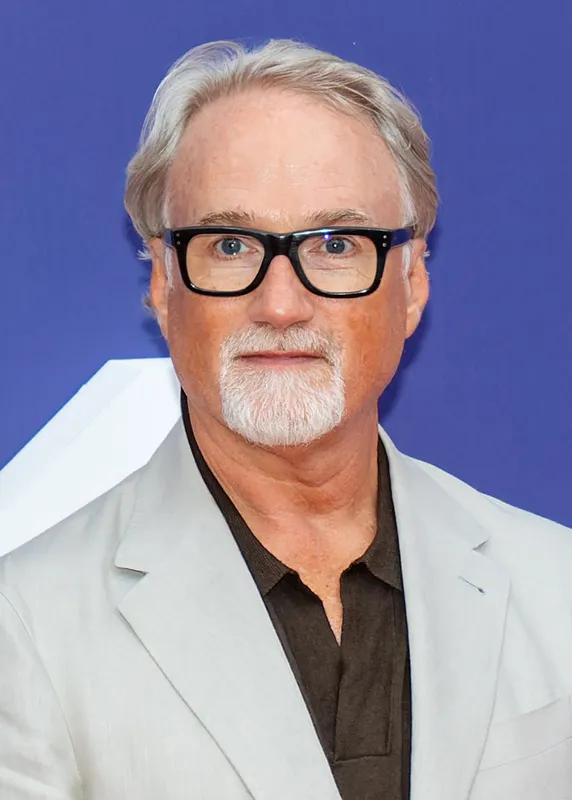 ProfileDavid FincherFilm director & producer
Related
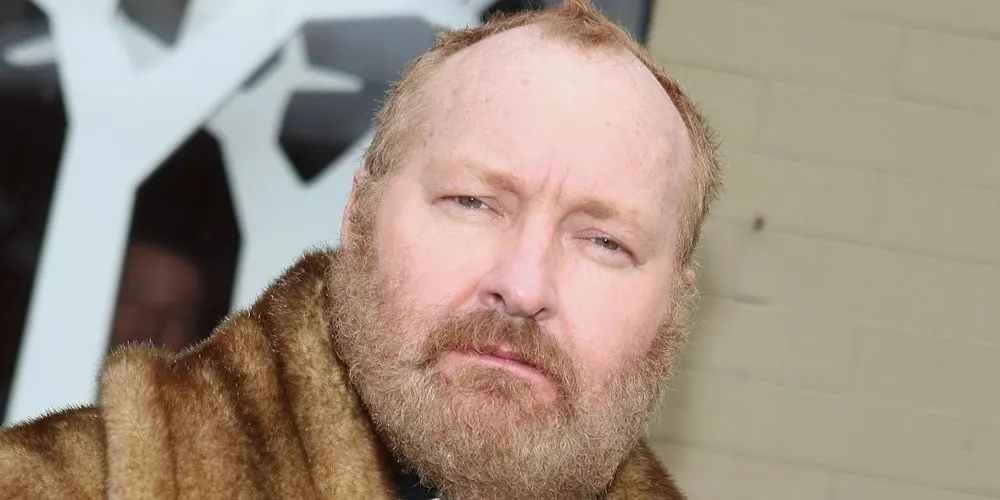
Randy Quaid Slams Anne Hathaway Casting in Days of Thunder Sequel
Randy Quaid, who appeared in the original 1990 film, took to X to demand Nicole Kidman's return and dismiss the Hathaway announcement.

Eva Mendes' 'de Gosling' Tattoo Is the Only One She's Ever Wanted
Eva Mendes is showing off her wrist tattoo again — a small but meaningful piece of ink that carries a deep cultural significance.
Steven Spielberg's 'War of the Worlds' Returns to Streaming Amid Debate
Steven Spielberg's 'War of the Worlds' is hitting HBO Max next month, reigniting discussions on its mixed reception.