Cynthia Erivo Can't Save a Muddled 'Prima Facie' Film Adaptation

Cynthia Erivo steps into a role made famous by Jodie Comer, but Susanna White's film adaptation of the acclaimed play largely squanders its source material.
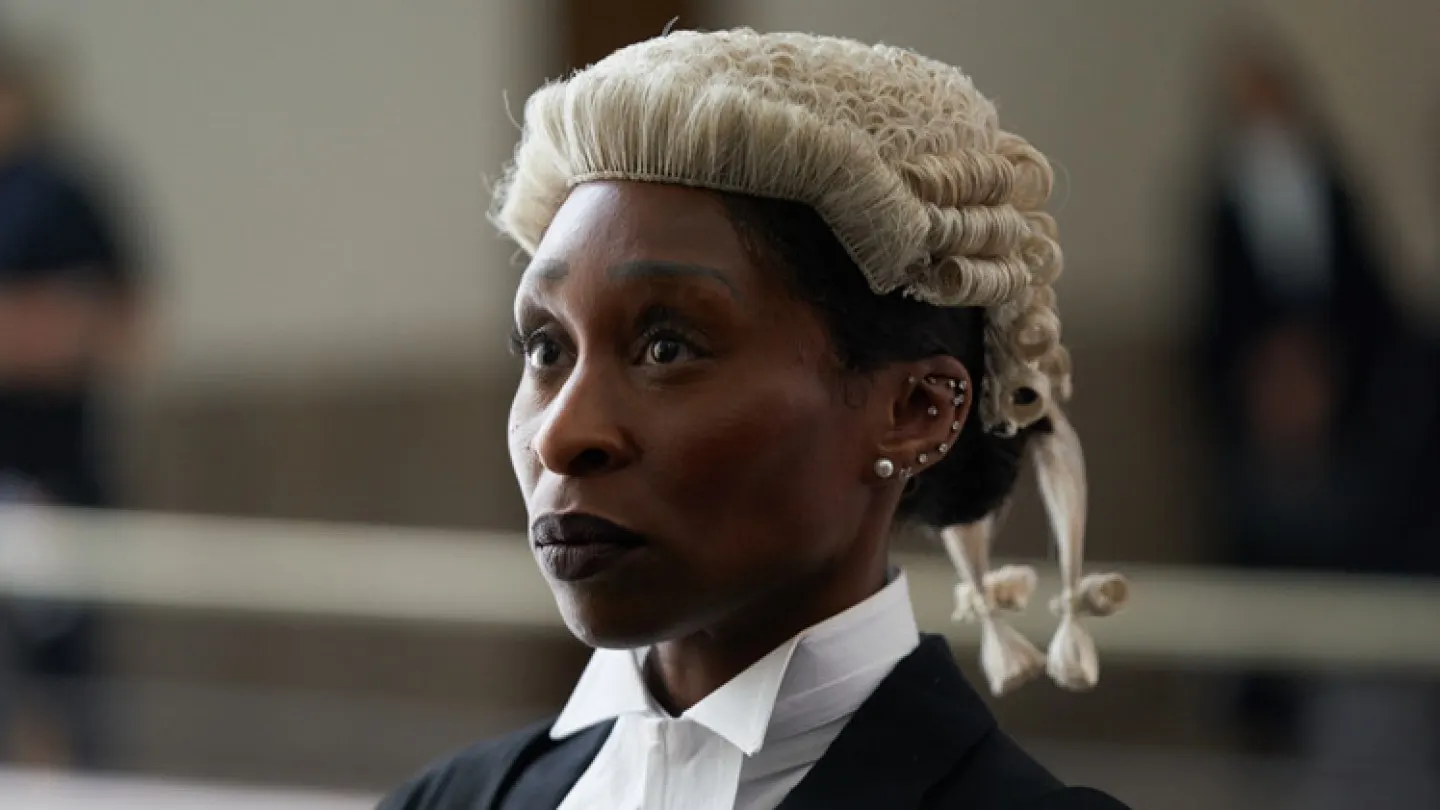
Suzie Miller's Prima Facie arrived on stage as something close to a theatrical phenomenon — a one-woman play that earned the 2023 Olivier Award for Best New Play, with Jodie Comer collecting both an Olivier and a Tony for her performance. Translating that kind of singular, actor-driven experience to film is an inherently treacherous undertaking, and according to The Hollywood Reporter, director Susanna White's adaptation, starring Cynthia Erivo and premiering at the Toronto International Film Festival, largely fails to clear that bar.
A Role Demanding Everything
Erivo plays Tessa Ensler, a brilliant, working-class barrister who has climbed into the upper ranks of the British legal world on sheer ability and a Cambridge scholarship. Her world fractures when a colleague she has been dating assaults her, forcing her to confront a justice system she has spent her career defending — and prosecuting within. It is a role tailor-made for an actress of Erivo's caliber, demanding emotional precision across a vast psychological arc. Cynthia Erivo, who has long moved between demanding artistic spaces, brings considerable intelligence to the part, and there are moments — particularly in the film's midsection, when Tessa reports the assault at a police station — where her performance achieves the kind of raw, quietly devastating truth that great screen acting requires. The camera holds on her face as she answers questions, and the contrast between what she says and what she privately knows creates a genuinely powerful sequence.
Where the Adaptation Stumbles
The trouble is that White, a director whose résumé includes the sharp HBO series Generation Kill and the thriller Our Kind of Traitor, too rarely trusts her material or her audience. The film opens with blunt visual metaphors — Tessa's sequined sneakers amid polished courtroom corridors, followed by a literal cut to galloping horses after she describes her colleagues as "thoroughbreds" — that telegraph meaning rather than allowing it to accumulate. A recurring voiceover, much of it lifted directly from Miller's stage text, makes a kind of internal sense in a monologue play but lands awkwardly alongside conventional cinematic grammar, creating a tonal friction the film never resolves.
The assault sequence itself is handled with surreal visual fragmentation — blurred focus, shattered glass imagery, thumping sound design — techniques White has described as attempts to externalize Tessa's interior experience. In theory, that ambition is sound; cinema has a long tradition, from Ingmar Bergman to Jonathan Glazer, of finding formal expression for psychological states. Here, however, the devices feel imposed rather than organic, overwhelming rather than illuminating.
The Courtroom and Its Clichés
As Prima Facie moves into its third act and becomes a courtroom drama, it leans into genre conventions it never quite earns the right to subvert. Erivo delivers a monologue addressing how trauma disrupts memory and how the legal system's demand for flawless, coherent testimony fails assault victims — an argument that is morally urgent and dramatically necessary, but staged with the kind of declarative earnestness that drains it of complexity. Daniel Ings, cast against type as the charming, privileged Julian, and Toheeb Jimoh both contribute strong supporting work, confirming that casting was never the production's weakness.
The broader cinematic landscape has shown, especially in recent years, that legally and morally layered narratives about women navigating hostile institutions can be executed with genuine formal rigor — films like Anatomy of a Fall or She Said demonstrate the range of approaches available. Prima Facie has the conviction and the source material to belong in that company. What it lacks is the directorial restraint to let its most powerful elements breathe. As a statement of intent, it is sincere and its anger is warranted. As a film, it is a frustrating near-miss that ultimately underserves both its subject and its lead.
For audiences drawn to ambitious, star-driven projects navigating difficult subject matter, the current wave of prestige streaming films suggests there is genuine appetite for this kind of work — which makes the stumbles here all the more disappointing.
Related on Ni4o: Cynthia Erivo Joins Star-Studded Crowd at Ralph Lauren NYFW Show
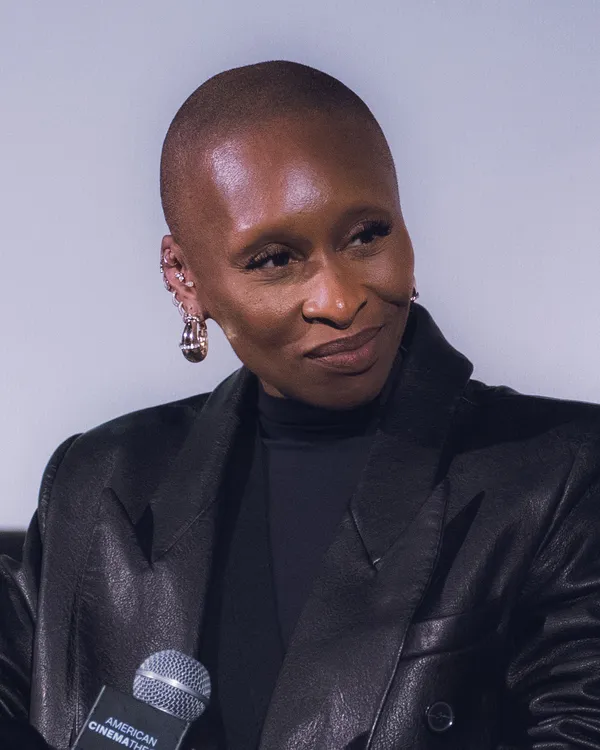 ProfileCynthia ErivoActress & singer
Related
Randy Quaid Slams Anne Hathaway Casting in Days of Thunder Sequel
Randy Quaid, who appeared in the original 1990 film, took to X to demand Nicole Kidman's return and dismiss the Hathaway announcement.

Eva Mendes' 'de Gosling' Tattoo Is the Only One She's Ever Wanted
Eva Mendes is showing off her wrist tattoo again — a small but meaningful piece of ink that carries a deep cultural significance.
Steven Spielberg's 'War of the Worlds' Returns to Streaming Amid Debate
Steven Spielberg's 'War of the Worlds' is hitting HBO Max next month, reigniting discussions on its mixed reception.