Barry Keoghan's 'Lemonade' Draws Mixed Notices at TIFF Debut

Kim Bartley's narrative debut premiered at Toronto, with Keoghan playing a social worker opposite rising newcomer Lewis Brophy.
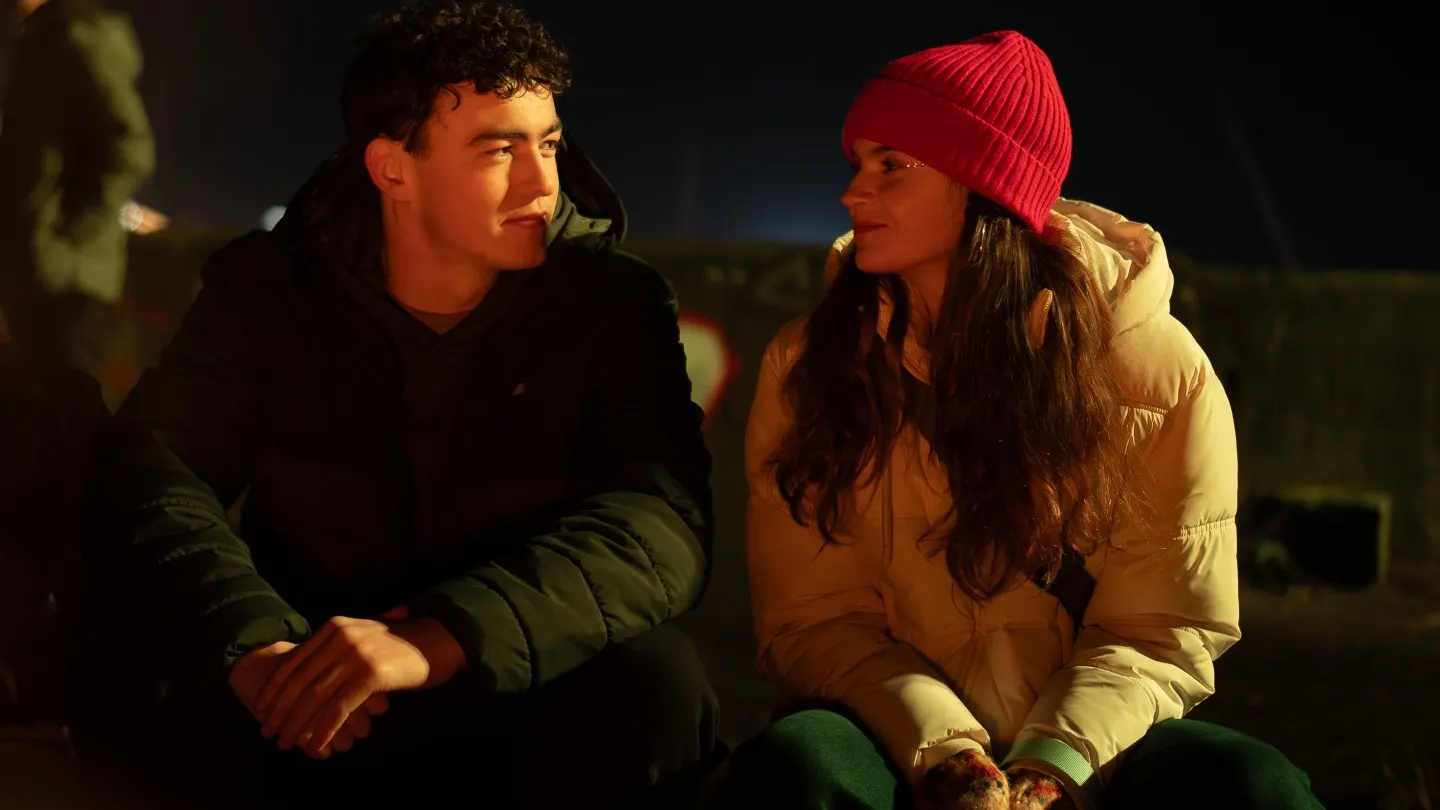
Barry Keoghan continues to make festival appearances a reliable part of his career calculus, this time surfacing at the Toronto International Film Festival alongside debut narrative director Kim Bartley in the Irish social drama Lemonade. The film has drawn measured, largely critical notices from press in attendance, with reviewers acknowledging its compassionate instincts while questioning whether those instincts translate into genuinely distinctive cinema.
What the Film Is About
Lemonade centers on Danny, an 18-year-old who has aged out of a halfway home after a stint in the juvenile detention system for a crime he participated in only peripherally. Played by newcomer Lewis Brophy, Danny is navigating a collision of adult pressures simultaneously — a pending court date related to a stolen car incident, a strained relationship with a younger brother he can no longer visit, grief and resentment toward an incarcerated, drug-addicted mother, the pull of a drug-dealing acquaintance, and a budding romance with a neighbor. Into this already crowded landscape steps Josh, a former social worker Danny feels was responsible for letting him down, portrayed by Keoghan in what amounts to a supporting but pivotal role.
The Critical Reception
According to The Hollywood Reporter, the film's primary problem is one of formula. Bartley, whose background is in documentary filmmaking, constructs Danny's circumstances in a way that feels assembled from a well-worn template rather than observed with the granular honesty one might expect from a documentarian. Critics noted that the various obstacles placed in Danny's path arrive with a programmatic regularity — each plot beat landing more or less exactly where seasoned viewers of this particular subgenre would anticipate. The review draws a pointed comparison to the wave of hushed, handheld social-realist dramas that followed in the wake of Short Term 12, suggesting Lemonade represents diminishing returns within that now-crowded mode, especially when set against more formally inventive recent examples like A.V. Rockwell's A Thousand and One.
The critique is not that Bartley's sympathies are misplaced — they clearly are not — but that good intentions cannot substitute for the kind of specific, unsentimental observation that makes films in this register genuinely revelatory. When social drama is rendered in purely generic terms, the argument goes, it risks turning real human hardship into aesthetic shorthand, a kind of well-meaning but ultimately superficial visit to lives the film doesn't fully inhabit.
Keoghan's Role in Context
For Keoghan, Lemonade arrives at a moment when his profile has never been higher, following a string of acclaimed turns that have made him one of the more compelling presences working in contemporary cinema. His casting as Josh — a carer figure carrying his own private burdens — is a logical extension of the morally layered, emotionally interior characters he has gravitated toward. Whether the material gives him sufficient room to operate at the level audiences have come to expect is, if the reviews are any guide, a fair question. Brophy, meanwhile, appears to acquit himself well in a demanding central role, even if the screenplay doesn't always provide him with the nuance to make Danny feel fully three-dimensional rather than representative.
The Broader Conversation
Festival season has increasingly become the arena in which the tension between social-issue filmmaking and genuine artistic ambition plays out — a conversation relevant to any number of prestige titles landing on streaming platforms this year. With films like Sandra Bullock's return in Practical Magic 2 and Gal Gadot's In the Hand of Dante hitting Netflix commanding attention at the broader commercial end of the spectrum, the space for mid-budget, festival-circuit drama remains genuinely important — which is precisely why critics hold work like Lemonade to a high standard. A film running one hour and fifty-two minutes has ample room to develop genuine specificity; the question critics are pressing is whether Bartley chose to use it.
Lemonade runs 1 hour 52 minutes and premiered in the Centrepiece section of TIFF. A wider release date has not yet been announced.
Related on Ni4o: Hugh Jackman's 'The Sheep Detectives' Becomes a Prime Video Hit
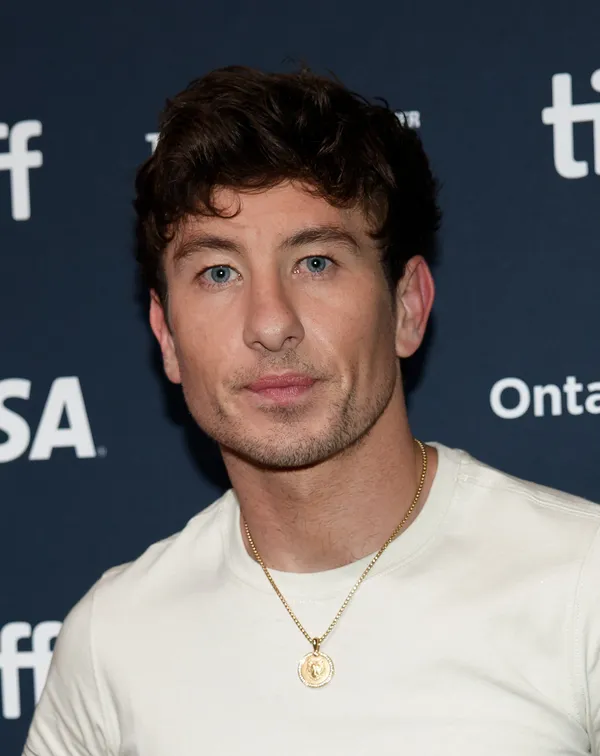 ProfileBarry KeoghanActor
Related
Randy Quaid Slams Anne Hathaway Casting in Days of Thunder Sequel
Randy Quaid, who appeared in the original 1990 film, took to X to demand Nicole Kidman's return and dismiss the Hathaway announcement.

Eva Mendes' 'de Gosling' Tattoo Is the Only One She's Ever Wanted
Eva Mendes is showing off her wrist tattoo again — a small but meaningful piece of ink that carries a deep cultural significance.
Steven Spielberg's 'War of the Worlds' Returns to Streaming Amid Debate
Steven Spielberg's 'War of the Worlds' is hitting HBO Max next month, reigniting discussions on its mixed reception.