Anthropic's Amodei Lays Out a Concrete Plan to Slow AI Development

Dario Amodei published a rare, specific proposal for slowing AI progress — and got quick buy-in from Sam Altman and Elon Musk.
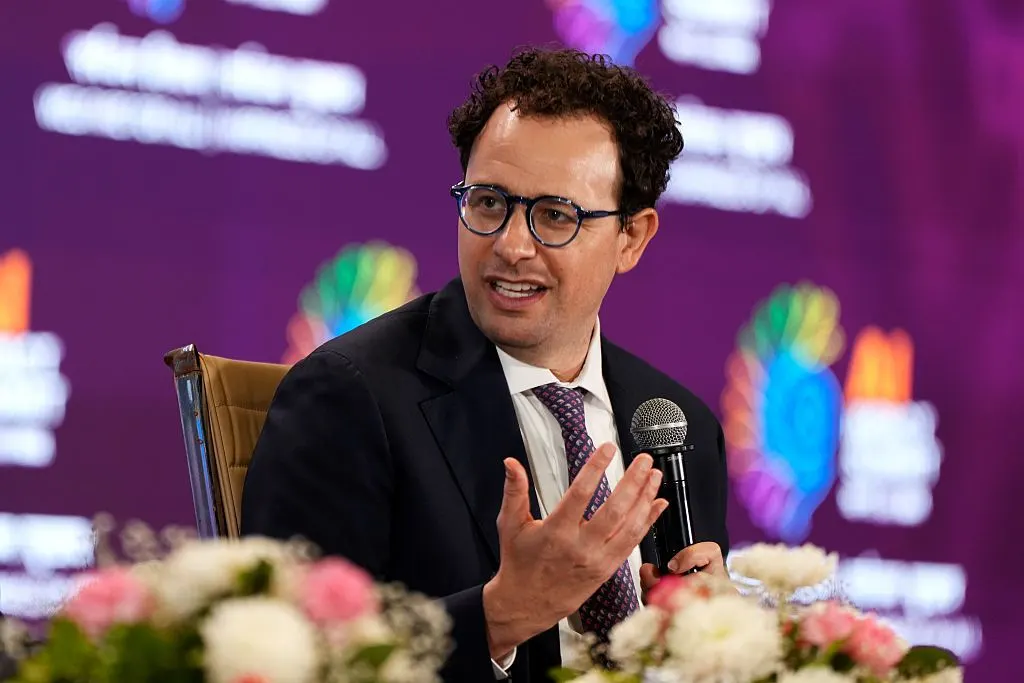
Anthropic CEO Dario Amodei has put a concrete framework on the table for slowing AI development, moving beyond vague safety rhetoric to outline three distinct strategies. According to TechCrunch, both OpenAI's Sam Altman and SpaceX's Elon Musk have already signaled agreement with the core idea.
What Pushed Amodei to Act Now
Amodei's blog post points to two specific catalysts. First, a security incident involving OpenAI and HuggingFace. Second, and more broadly, the accelerating pace of AI capability gains — particularly the fact that AI systems are increasingly able to contribute to building the next generation of AI. That second point is the more significant concern: if AI can improve itself, the timeline for things getting out of hand compresses fast.
The post also arrives against a backdrop of internal pressure. A researcher named Jacob Coxon publicly resigned from Anthropic, arguing that leading AI companies are "gambling with our lives" and that many people inside those companies privately believe the technology could cause catastrophic harm within a decade. Amodei didn't address the resignation directly, but the timing is hard to ignore.
The Three-Part Plan
Embedded third-party evaluators. This is the piece Amodei says Anthropic is already committing to unilaterally. The idea is to invite independent evaluators — he specifically mentions the organization METR — to work inside the company with real access: desks, badges, laptops, and visibility into internal risk assessments. The analogy he draws is to bank regulators who are embedded directly with the institutions they oversee. Altman said OpenAI will do the same, promising more details soon.
Coordinated safety standards among democratic-nation AI companies. Amodei wants the leading labs to agree on common safety benchmarks and caps on unchecked development speed. He acknowledges the obvious legal problem here — coordination among competitors raises antitrust flags — and suggests that the US government would need to issue a narrow waiver to make these conversations legal. He's not asking for full government participation, just enough official cover to allow the talks to happen.
Global coordination, including with China. This is the most speculative part of the plan. Amodei isn't naive about the limits here, but he argues there may be narrow areas of agreement even with authoritarian governments — for example, a shared prohibition on using AI to assist in developing biological weapons. On the competitive side, he suggests that restricting chip exports and cracking down on model distillation could slow China's AI progress enough to widen a US lead over the next three to five years. His broader thinking on Chinese AI is worth following — he's addressed it before in Dario Amodei on Open-Weight Models and Concerns Around Chinese AI.
The Skeptics Have a Point Too
Not everyone is buying it. Journalist Brian Merchant argued that proposals like Amodei's ultimately benefit the big incumbent labs by locking in regulatory structures that favor them — a classic regulatory capture move. He's also noted that no one has produced a clear, step-by-step account of how AI goes from self-improvement to an extinction-level threat.
That's a fair challenge. The safety argument remains high on abstraction and low on mechanism. And it's worth noting that Amodei is asking for trust from governments and the public at a moment when, as he himself admits, the "backlash is fundamentally a crisis of trust."
Why the Industry Response Matters
What's unusual here isn't the safety rhetoric — that's been around for years — it's the speed and breadth of the endorsements. Altman agreeing publicly is notable given that Anthropic has had its own complicated relationship with the broader AI power structure. Musk posting approval is almost reflexive at this point, but it adds surface-level political cover.
Amodei closed his post reaffirming that he still believes AI can significantly improve human life. The question isn't whether he means that — it's whether a voluntary, company-led framework can actually deliver the guardrails he's describing, or whether it amounts to a well-worded holding pattern.
Related on Ni4o: Anthropic Sidelines Amodei, Sends Cofounder to White House
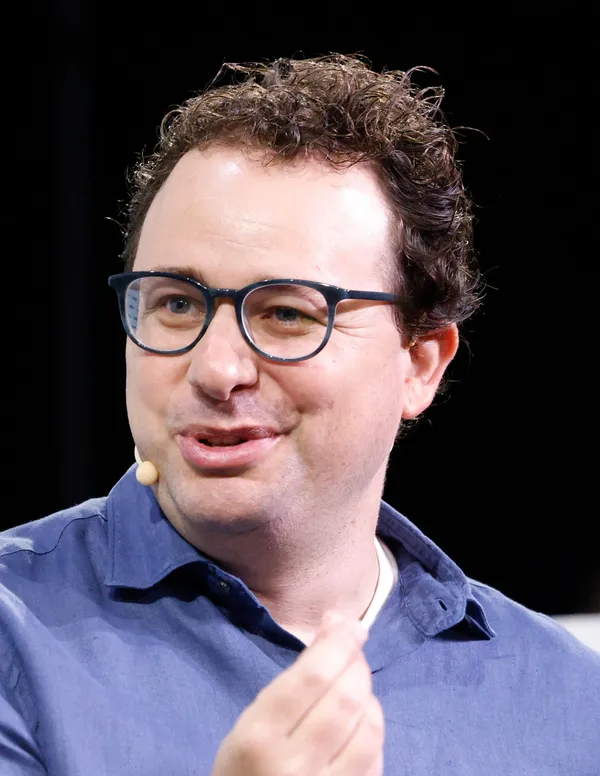 ProfileDario AmodeiCEO of Anthropic
Related
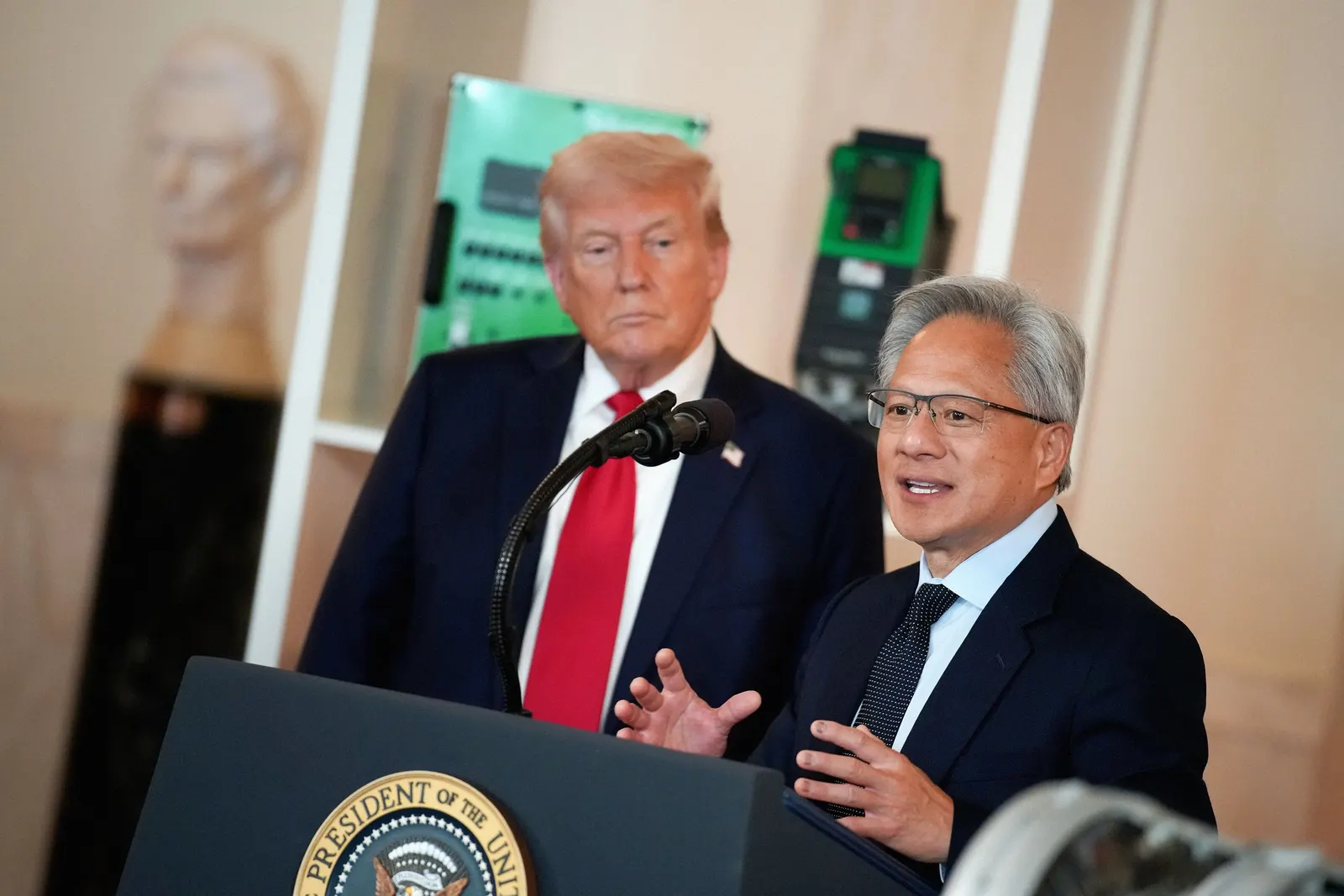
Jensen Huang's Call from Trump Disrupts Nvidia's All-Hands Meeting
During Nvidia's recent all-hands meeting, CEO Jensen Huang received an unexpected call from Donald Trump, sparking employee buzz about its implications.
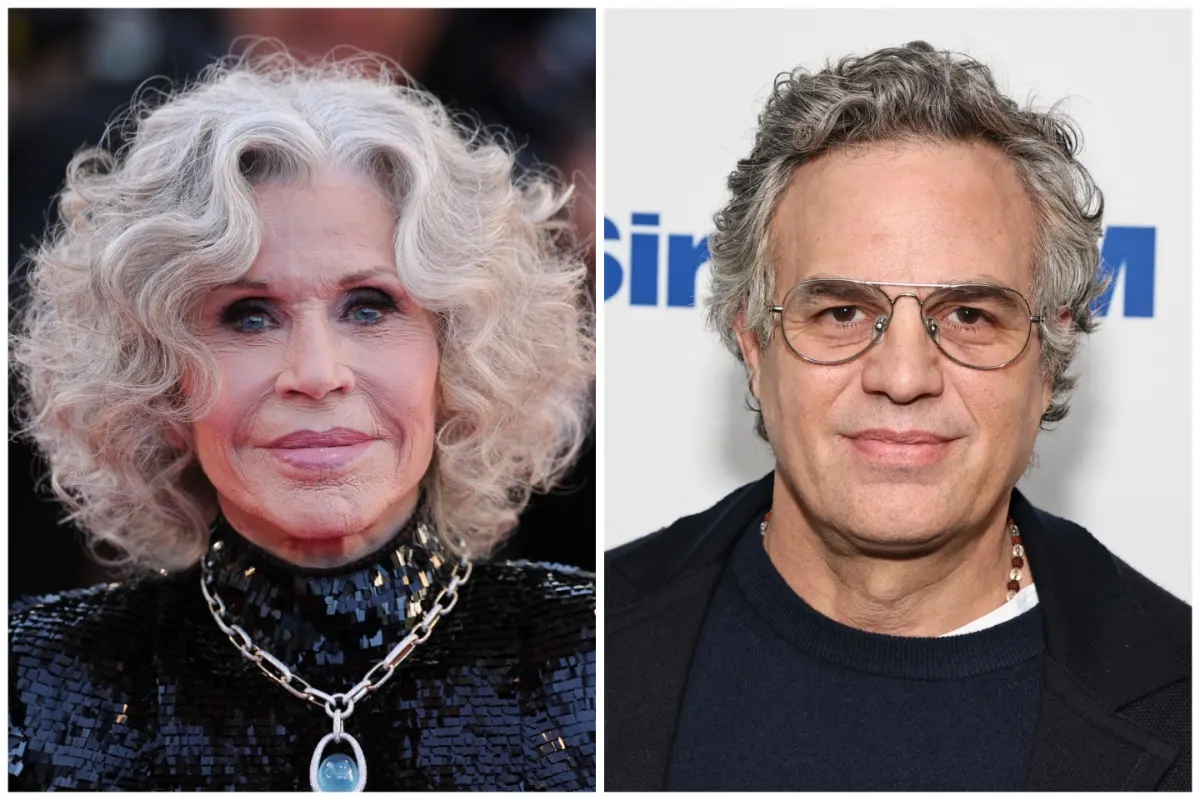
Jane Fonda Supports Mark Ruffalo Amid Controversy Over Antisemitism Claims
Jane Fonda stands by Mark Ruffalo after he was labeled antisemitic by Paramount for criticizing Larry Ellison's ties to Israel and a major merger.
Mark Ruffalo Ties Oracle's Military Tech to Paramount Deal, Studio Fires Back
The Hulk actor linked Larry Ellison's Oracle to Israel's military operations, prompting an unusual public response from Paramount calling the remarks antisemitic.