Anne Hathaway Thinks Dog Deaths in Films Should Earn an R Rating

While promoting The End of Oak Street, Anne Hathaway made a case for automatic R ratings on any film that kills off a canine character.
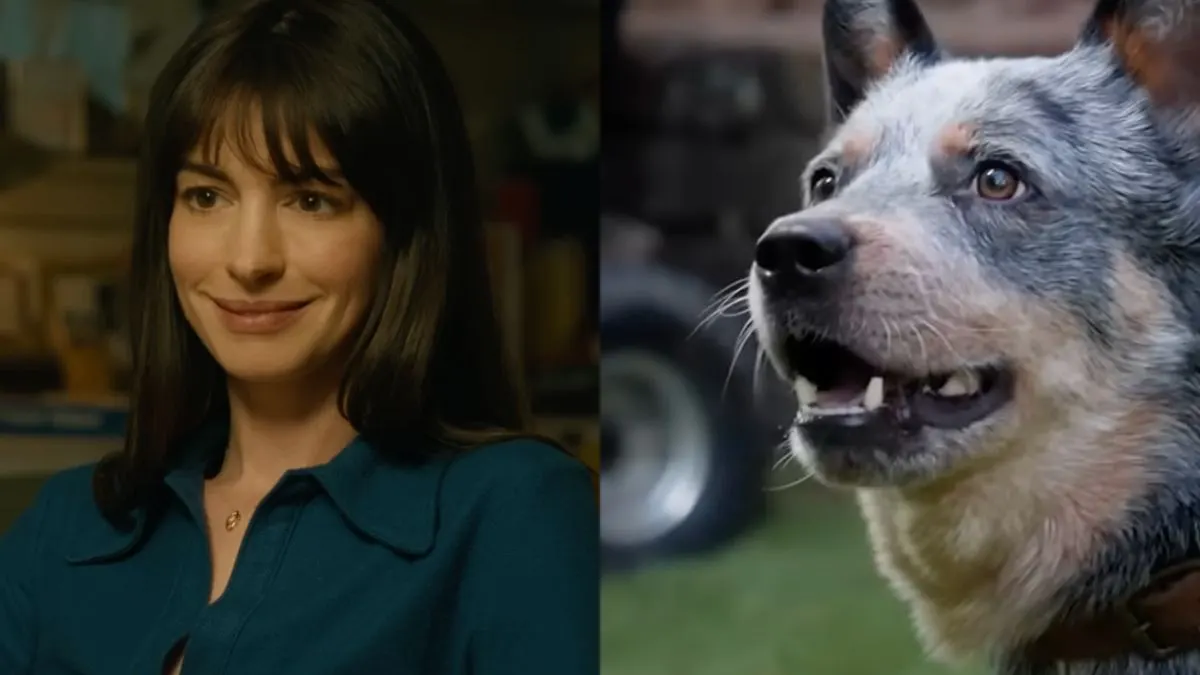
Few conversations in contemporary film criticism cut quite as close to the bone as the question of how cinema treats its animal characters — and Anne Hathaway, it turns out, has a firm and somewhat surprising policy prescription on the matter. Promoting her new film The End of Oak Street, the Academy Award winner made headlines this week by arguing that any movie depicting the death of a dog should carry an automatic R rating, regardless of its other content.
A Simple Rule, Firmly Stated
In a video interview with Complex Pop Culture, according to Consequence, Hathaway laid out her position with notable clarity. "I feel like movies that kill dogs should automatically be rated R," she said. "It doesn't matter if anybody curses. It doesn't matter if there's violence. If a dog dies, R rated." It's a blunt standard, and one that sidesteps the usual calculus of language, sexuality, and graphic imagery that the MPAA weighs when assigning ratings — centering instead on a single emotional threshold that, Hathaway suggests, audiences have already internalized.
The argument isn't entirely without logic. The MPAA rating system has long been criticized for its inconsistent application of criteria, often penalizing films more harshly for fleeting nudity than for sustained sequences of violence. Hathaway is essentially proposing a viewer-protection framework rooted in emotional impact rather than content category — a provocative reframing of what a rating is actually meant to communicate.
John Wick Gets the Blame
Hathaway traced the broader cultural anxiety around on-screen dog deaths directly to Chad Stahelski's 2014 action franchise launcher John Wick, in which the killing of a puppy sets Keanu Reeves' grieving assassin on his path of revenge. "I think everybody is so traumatized by John Wick," she said during the interview. The film became a touchstone not just for its stylized action choreography but for the visceral audience response to that inciting act — proof, if any were needed, that the death of a dog on screen carries a singular emotional charge that few other narrative devices can match.
The observation came after Hathaway noted that fans had been reaching out with genuine concern about whether the family dog in The End of Oak Street would survive the film. She addressed those fears with a diplomatic but reassuring non-answer: "We break rules in this movie. That might not be one of them. Don't worry."
Starbuck Takes Center Stage
The End of Oak Street, directed by J.J. Abrams and co-starring Ewan McGregor alongside Hathaway, follows a family navigating the collapse of their neighborhood after a mysterious, otherworldly disruption takes hold. Central to the family unit is Starbuck, an Australian cattle dog whose on-screen presence has clearly made a strong impression on its human co-stars. "Starbuck is the undisputed star of the film," Hathaway said in a separate promotional interview. "You just put a camera on him and you fall in love."
That kind of canine charisma — the immediate, unguarded connection audiences form with animal characters — is precisely what makes their fictional deaths land so heavily. Hathaway's advocacy, however tongue-in-cheek in delivery, speaks to a real phenomenon: the emotional contract between a film and its audience can be broken in ways that a simple content descriptor fails to capture.
Hathaway has been a consistent and compelling presence in the press cycle lately, recently appearing alongside Zendaya and Matt Damon at The Odyssey press launch and lighting up the New York premiere red carpet for the same project. She's also called Tom Holland a 'dream son' in interviews ahead of The Odyssey, demonstrating the kind of warmth and candor that makes her promotional appearances reliably compelling.
Whether or not the ratings board takes her suggestion seriously, Hathaway has done something genuinely useful: she's forced a conversation about what film ratings are actually protecting audiences from, and whether emotional devastation deserves a category of its own.
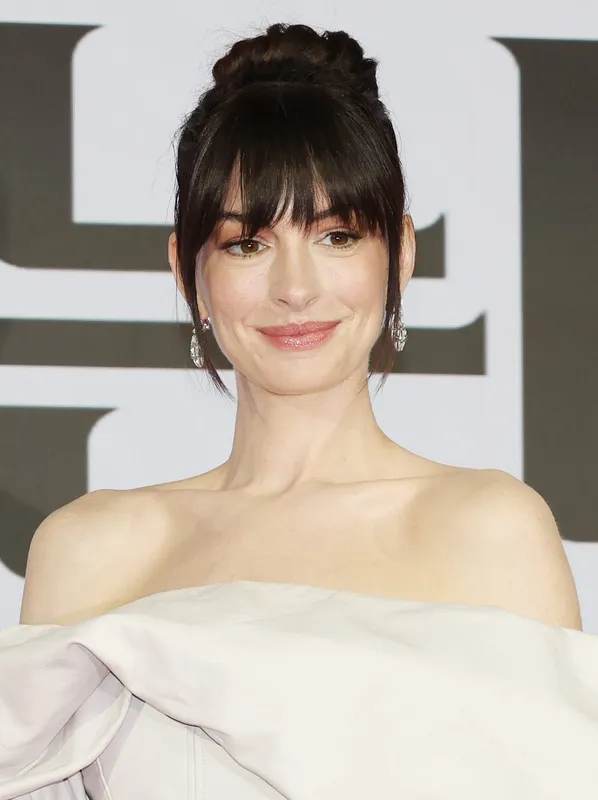 ProfileAnne HathawayActress
Related
Randy Quaid Slams Anne Hathaway Casting in Days of Thunder Sequel
Randy Quaid, who appeared in the original 1990 film, took to X to demand Nicole Kidman's return and dismiss the Hathaway announcement.
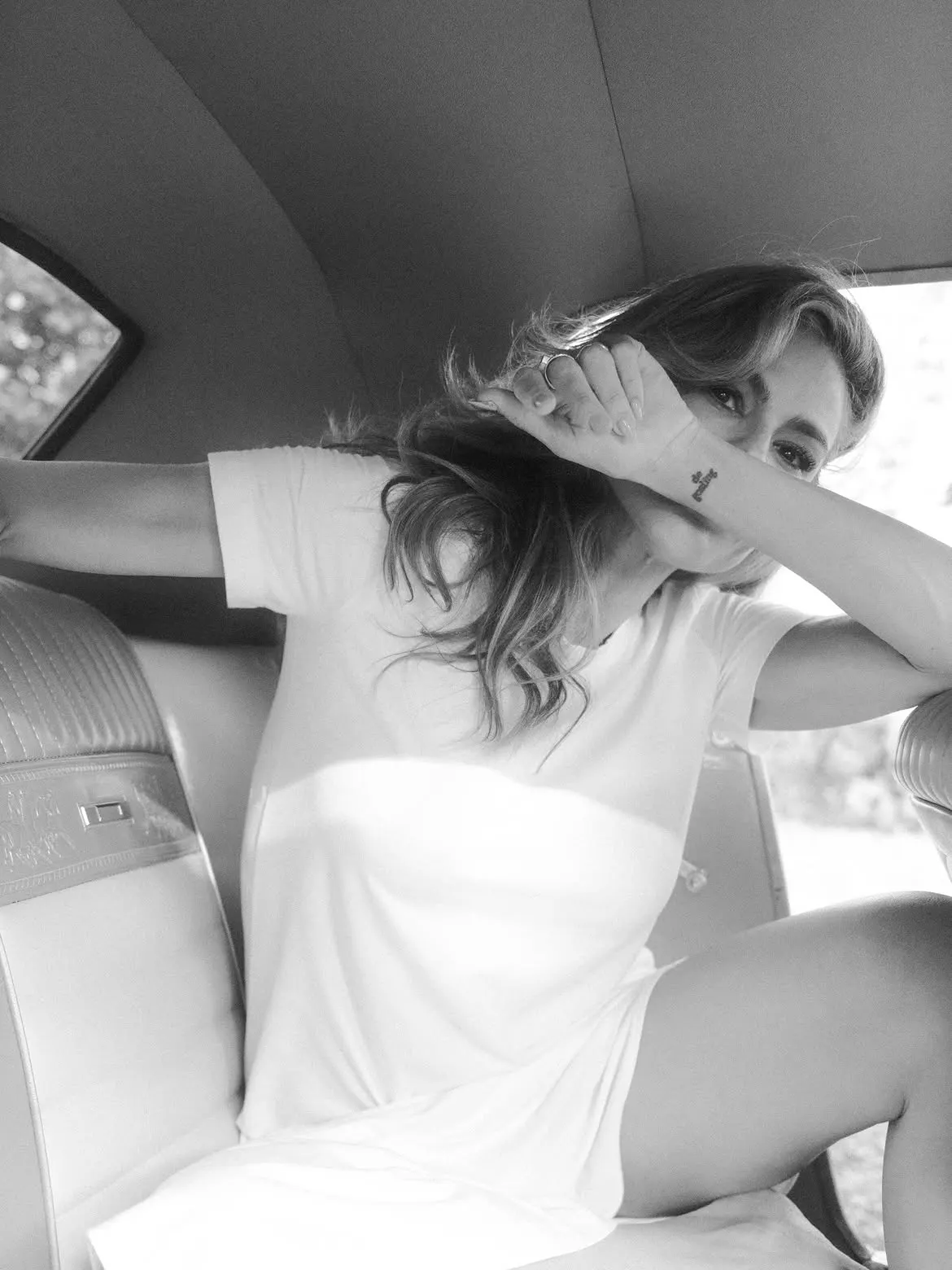
Eva Mendes' 'de Gosling' Tattoo Is the Only One She's Ever Wanted
Eva Mendes is showing off her wrist tattoo again — a small but meaningful piece of ink that carries a deep cultural significance.
Steven Spielberg's 'War of the Worlds' Returns to Streaming Amid Debate
Steven Spielberg's 'War of the Worlds' is hitting HBO Max next month, reigniting discussions on its mixed reception.