Andrew Garfield Wants Billionaires 'Scared' by His Medieval Uprising Film

Andrew Garfield says The Uprising, Paul Greengrass's Robin Hood origin story, carries urgent warnings for the world's wealthiest — and for all of us.
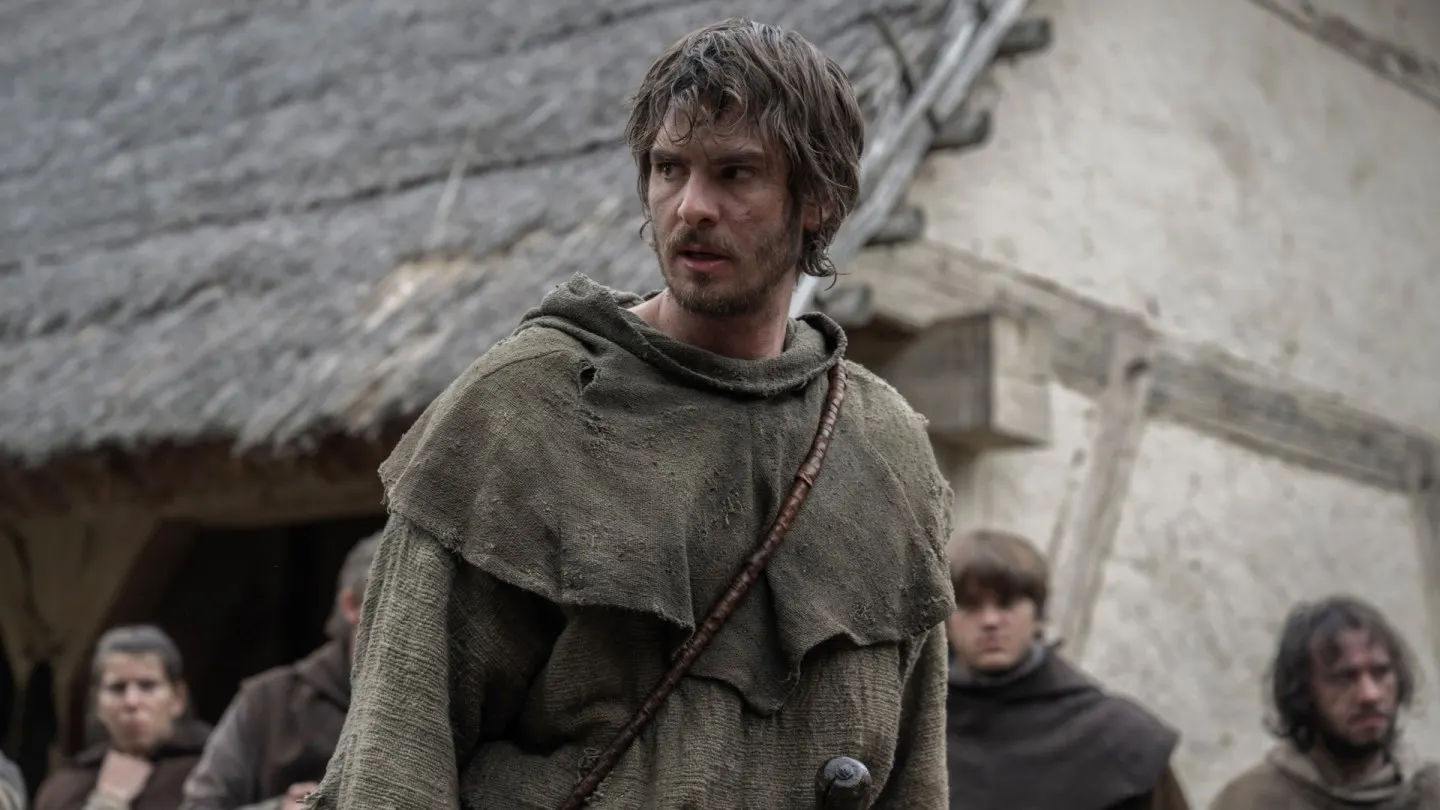
Few actors working today are as deliberate in choosing projects that double as social commentary as Andrew Garfield. His latest, The Uprising, directed by Paul Greengrass, is set in 14th-century England but speaks, the actor insists, in an unmistakably contemporary voice.
A Medieval Story With a Modern Edge
At its core, The Uprising draws on the historical peasant revolt that scholars believe gave rise to the Robin Hood mythology. Garfield plays Ploughman, a man who gathers an unlikely army against the oppressive reign of King Richard II in a desperate bid for dignity and justice. Greengrass, whose career has long been defined by visceral, politically charged filmmaking — from Bloody Sunday to the Bourne franchise — brings that same unflinching eye to pre-Reformation England. The pairing feels purposeful. Two artists with a shared appetite for the friction between power and the powerless.
For Garfield, the parallels to the present were never far from mind during production. Speaking to Esquire, according to The Hollywood Reporter, he described the historical reality the film captures with striking directness: brutal taxation levied on a working class still reeling from plague, governmental incompetence, and a ruling class that viewed those beneath them as something less than fully human. Asked whether any of that maps onto today's world, his answer was simple — "Yeah, here and in the United States, and all around the world."
'Scared Shitless': Garfield's Message to the Ultra-Wealthy
At a recent Q&A alongside Greengrass, Garfield was asked what he hopes audiences carry out of the cinema with them. His response moved from the broadly hopeful to the pointedly specific. He spoke of wanting viewers to feel galvanized — to recognize their own struggles reflected in characters separated from them by six centuries — before landing on a more targeted aspiration: "I hope that if any billionaires watch it, they're scared shitless."
It wasn't a throwaway provocation. When the moderator quoted one of the film's more resonant lines — "There will be no peace until we are healed" — and Greengrass affirmed its timelessness, Garfield extended the thought with genuine seriousness. The ultra-wealthy, he suggested, might be among those most in need of that healing. "They're the ones that might be the most soul sick," he said, framing extreme wealth accumulation not as triumph but as its own form of spiritual poverty.
It's a perspective consistent with an actor who has consistently gravitated toward work that interrogates systems rather than simply celebrating individuals. Those interested in how Garfield navigated a very different kind of pressure recently might find his reflections on the turbulent road to releasing Artificial equally revealing about his artistic priorities.
A Rorschach Test for a Fractured Political Moment
One of the more intellectually honest things Garfield said about The Uprising is that the film resists clean ideological ownership. He described it as "a bit of a Rorschach Test," predicting that audiences across the political spectrum will project their own grievances onto its story of the dispossessed rising up. He acknowledged the uncomfortable reality that far-right movements — he cited British activist Tommy Robinson specifically, calling any sympathy for such figures "ignorant" — could nonetheless claim the film's imagery of nationalist uprising as their own. It's a tension the best historical films rarely resolve neatly, and Garfield seems aware that ambiguity is part of the point.
What anchors his own investment in the material is something more elemental. "What was inspiring and exciting in the making of this was this possibility of justice, this possibility of healing," he said — words that carry particular weight from an actor who has made a habit of choosing roles that demand moral reckoning. It's worth noting that Garfield's range continues to expand in unexpected directions; his collaboration with Claire Foy on The Magic Faraway Tree represents an entirely different register, yet reflects the same appetite for meaningful, character-driven storytelling.
The Uprising arrives as a film clearly designed to discomfort — not through shock, but through recognition. Garfield, it seems, is counting on that discomfort to do its work.
Related on Ni4o: Andrew Garfield's Ghost and the Brand New Day Rumour Machine
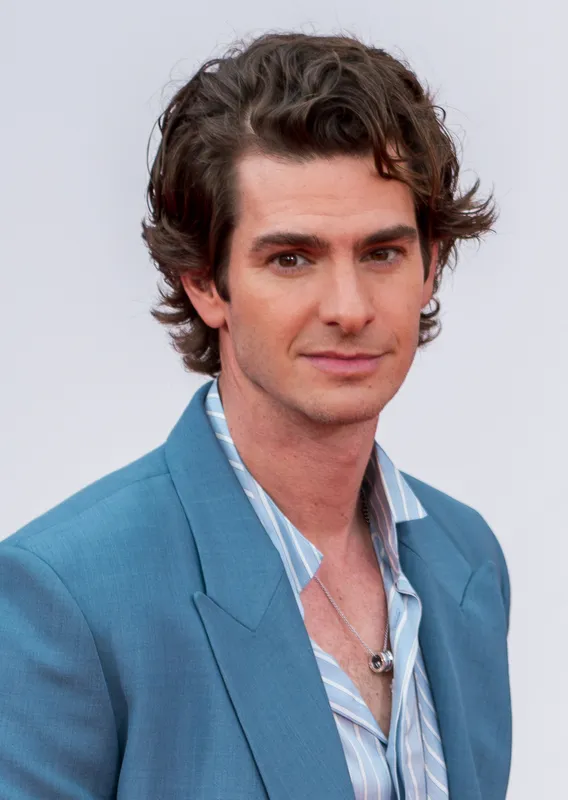 ProfileAndrew GarfieldActor
Related
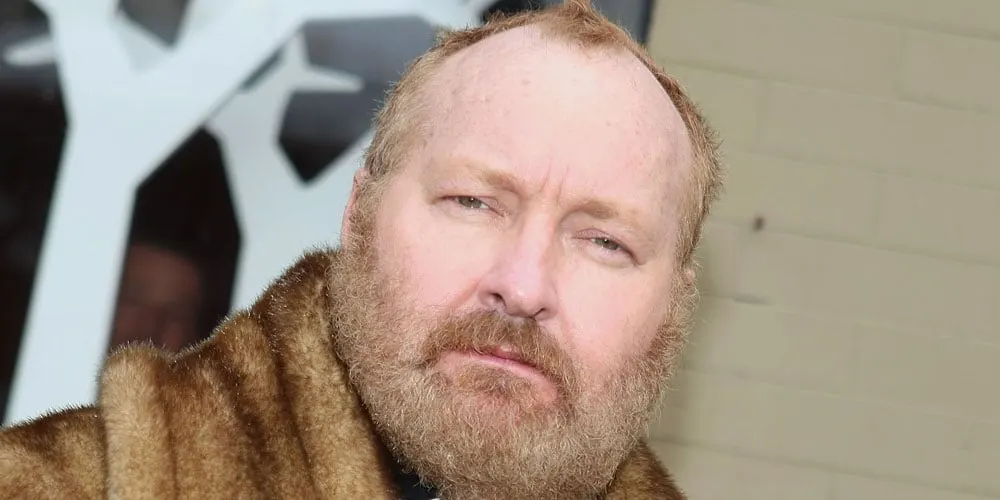
Randy Quaid Slams Anne Hathaway Casting in Days of Thunder Sequel
Randy Quaid, who appeared in the original 1990 film, took to X to demand Nicole Kidman's return and dismiss the Hathaway announcement.

Eva Mendes' 'de Gosling' Tattoo Is the Only One She's Ever Wanted
Eva Mendes is showing off her wrist tattoo again — a small but meaningful piece of ink that carries a deep cultural significance.
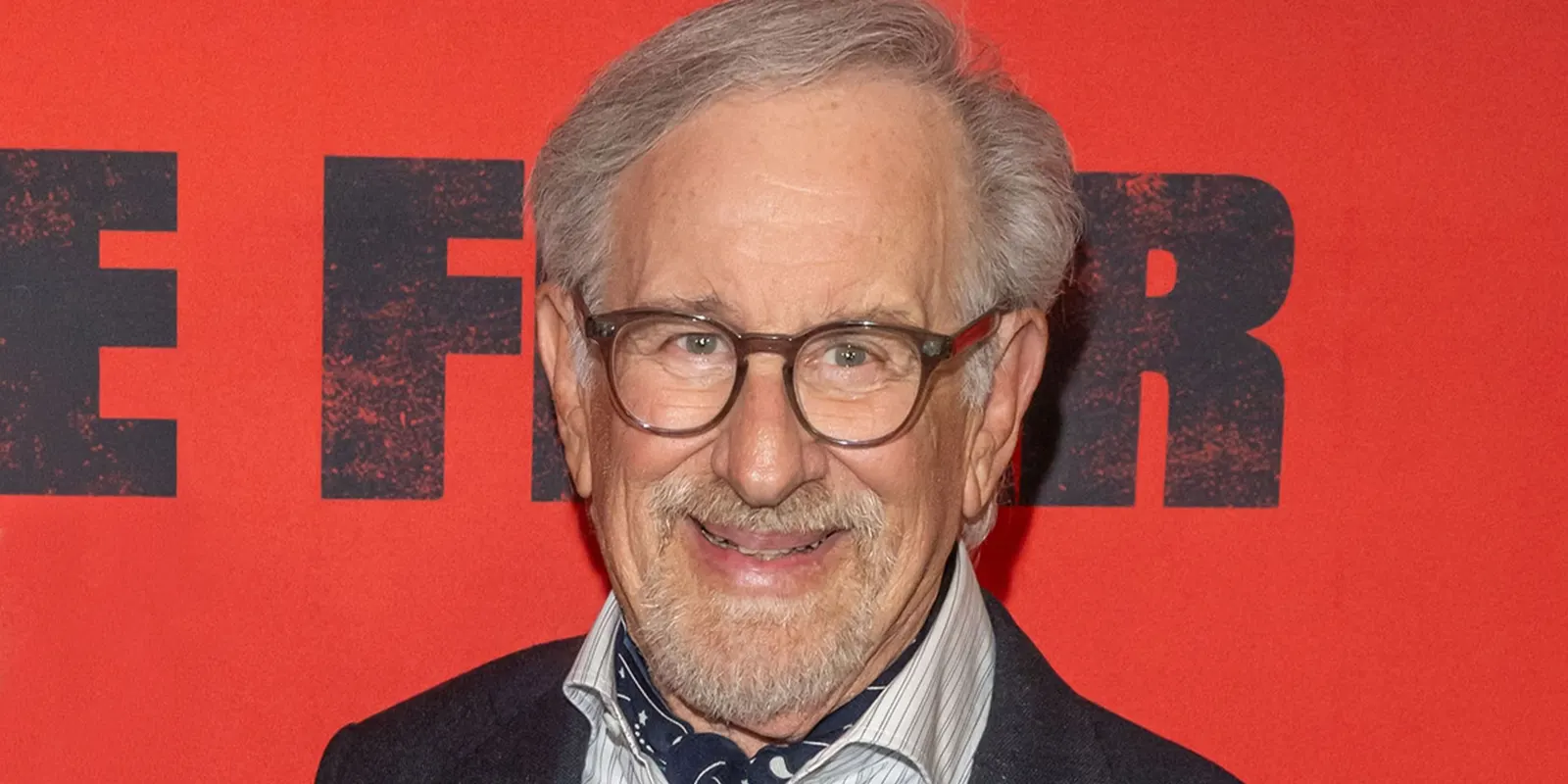
Steven Spielberg's 'War of the Worlds' Returns to Streaming Amid Debate
Steven Spielberg's 'War of the Worlds' is hitting HBO Max next month, reigniting discussions on its mixed reception.