Andrew Garfield Stands by Gay Spider-Man Pitch: 'Anyone Can Wear the Suit'

More than a decade after first raising the idea, Andrew Garfield is reaffirming his belief that Spider-Man's identity should be open to all.
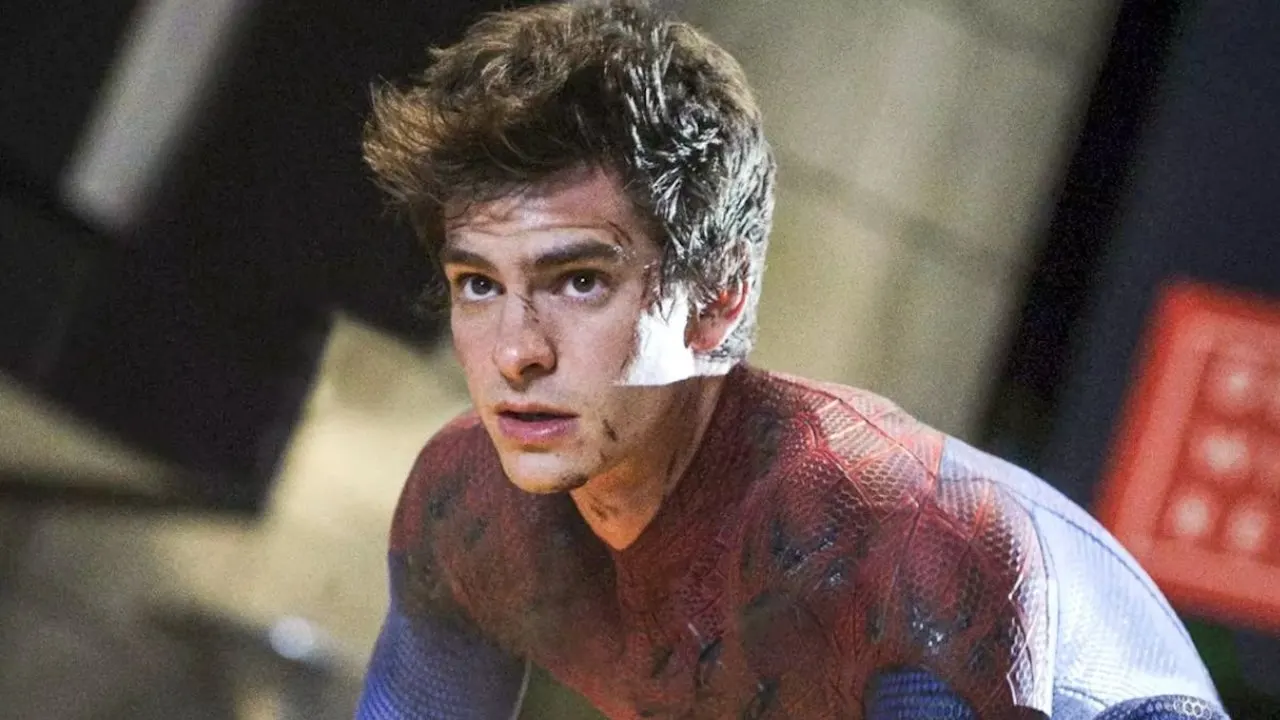
More than a decade has passed since Andrew Garfield first asked, publicly and with evident conviction, why Spider-Man couldn't be gay — and the actor shows no sign of retreating from that position. Promoting his new film The Uprising, Garfield revisited the argument in a fresh interview, framing it not as a throwaway provocation but as something he has long considered fundamental to the character's enduring power.
A Position Rooted in the Character's DNA
Speaking to Entertainment Weekly, according to TheWrap, Garfield described his original 2013 comments as "an exercise in rebellion that I felt passionate about," before doubling down with characteristic clarity: "I just still believe that anyone can be in that suit." That sentiment, however simply stated, carries real weight when you consider the philosophical argument he builds around it. For Garfield, Spider-Man's masked identity is precisely what makes the character so universally resonant — the costume becomes a blank canvas onto which any viewer, regardless of background, can project themselves. "You don't see skin color, you don't see gender, you don't see sexuality," he explained, positioning inclusivity not as a modern imposition on the character but as the very engine of Spider-Man's cross-generational staying power.
It's a reading that holds up under scrutiny. Stan Lee and Steve Ditko's original conception of Peter Parker as an awkward, overlooked outsider was always meant to speak to readers who felt marginalised — a quality that has kept the character commercially and culturally vital across sixty-plus years of comics, animation, and film.
The 2013 Pitch and a Familiar Co-Star
Garfield's original remarks landed in July 2013, barely a week before San Diego Comic-Con and less than a year ahead of The Amazing Spider-Man 2's release. At the time, he raised the idea directly with producer Matt Tolmach and director Marc Webb, floating the possibility of reimagining Mary Jane Watson as a male character and exploring Peter Parker's sexuality in kind. He even named a specific casting preference: Michael B. Jordan, whom he cited with admiration for his early work on The Wire. "He's so charismatic and talented," Garfield said then, adding with a certain wry enthusiasm that the combination would yield "interracial bisexuality" — a phrase that gestured at how boldly the idea could have redefined the franchise.
It's worth noting that Garfield has never been shy about voicing unconventional ideas for the Spider-Man universe. Andrew Garfield Would Return as Spider-Man Only for Something Truly Unconventional — a philosophy that seems entirely consistent with the kind of creative risk-taking he advocated for back in 2013.
Marvel's Contractual Guardrails
Of course, the pitch ran headlong into a wall that Garfield almost certainly knew existed. Documents surfaced during the Sony email hacks — later made public via WikiLeaks and first reported by Gawker — revealed a set of "character integrity obligations" that Marvel required Sony to observe. Among them: Peter Parker must be Caucasian and heterosexual, and Spider-Man must not be portrayed as homosexual unless the comics had already established that version of the character as such. The constraints were thorough enough to also prohibit smoking, gratuitous alcohol use, and torture, excepting conduct attributable to the black symbiote suit.
Those rules effectively closed the door on Garfield's specific pitch, but they don't foreclose the wider conversation. The Spider-Verse, as both comics and the Spider-Man: Into the Spider-Verse animated franchise have demonstrated, is rich with alternate-reality Spider-People who exist outside those Peter Parker restrictions. Web-Weaver, introduced in Edge of Spider-Verse #5 in 2022 by Steve Foxe, Kei Zama, and Kris Anka, is an explicitly gay Spider-Man from Earth-71490. Jessica Drew, as depicted in Brian Michael Bendis and Mark Bagley's Ultimate Spider-Man run, is a female clone of Parker who demonstrates romantic interest in women — one of the more substantial examples of queer representation in the broader Spider-Man mythology.
The Bigger Picture
Garfield is currently in a prolific and wide-ranging chapter of his career, far removed from his time in the red-and-blue suit — though Andrew Garfield's Ghost and the Brand New Day Rumour Machine ensures that chapter is never entirely closed in the public imagination. His advocacy here reads less like nostalgia for a role and more like a considered position on what popular mythology is for. "You'll be telling on yourself if you have a strong opinion either way," he noted — a line that is both a provocation and a rather elegant way of letting the argument speak for itself.
Related on Ni4o: Andrew Garfield's Ghost and the Brand New Day Rumour Machine
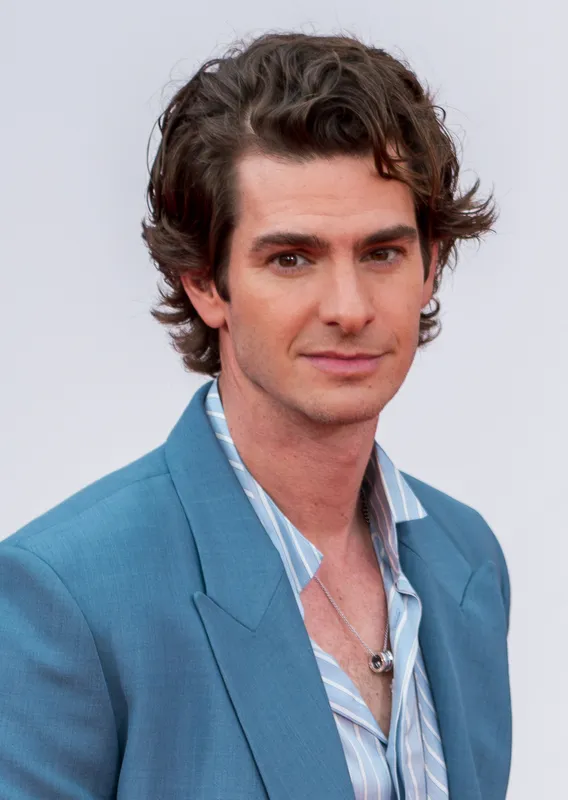 ProfileAndrew GarfieldActor
Related
Randy Quaid Slams Anne Hathaway Casting in Days of Thunder Sequel
Randy Quaid, who appeared in the original 1990 film, took to X to demand Nicole Kidman's return and dismiss the Hathaway announcement.
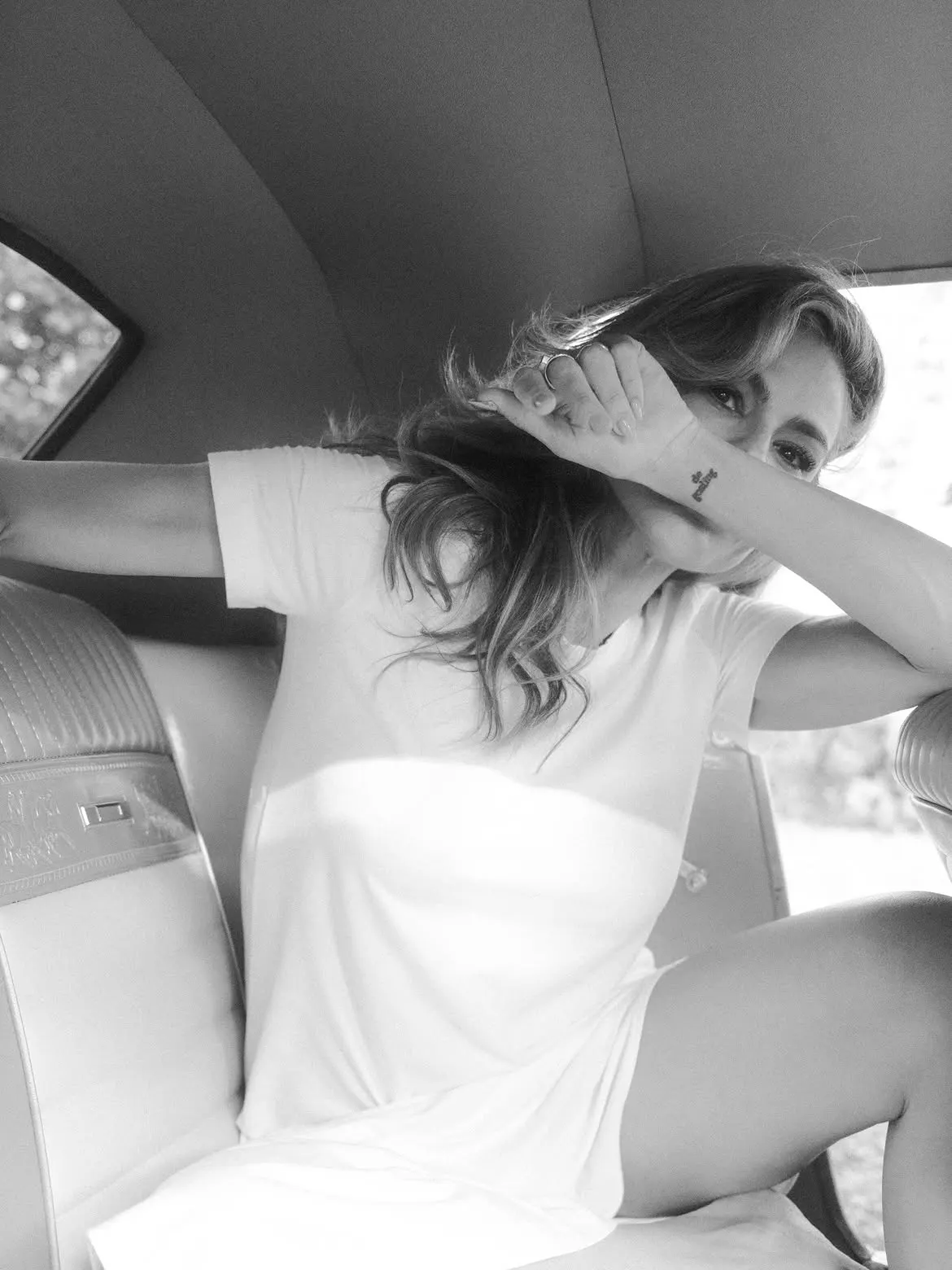
Eva Mendes' 'de Gosling' Tattoo Is the Only One She's Ever Wanted
Eva Mendes is showing off her wrist tattoo again — a small but meaningful piece of ink that carries a deep cultural significance.
Steven Spielberg's 'War of the Worlds' Returns to Streaming Amid Debate
Steven Spielberg's 'War of the Worlds' is hitting HBO Max next month, reigniting discussions on its mixed reception.