Andrew Garfield Revisits His Call for a More Inclusive Spider-Man

Thirteen years after his viral remarks about the character's sexuality, Andrew Garfield has reaffirmed his belief that anyone can wear the suit.
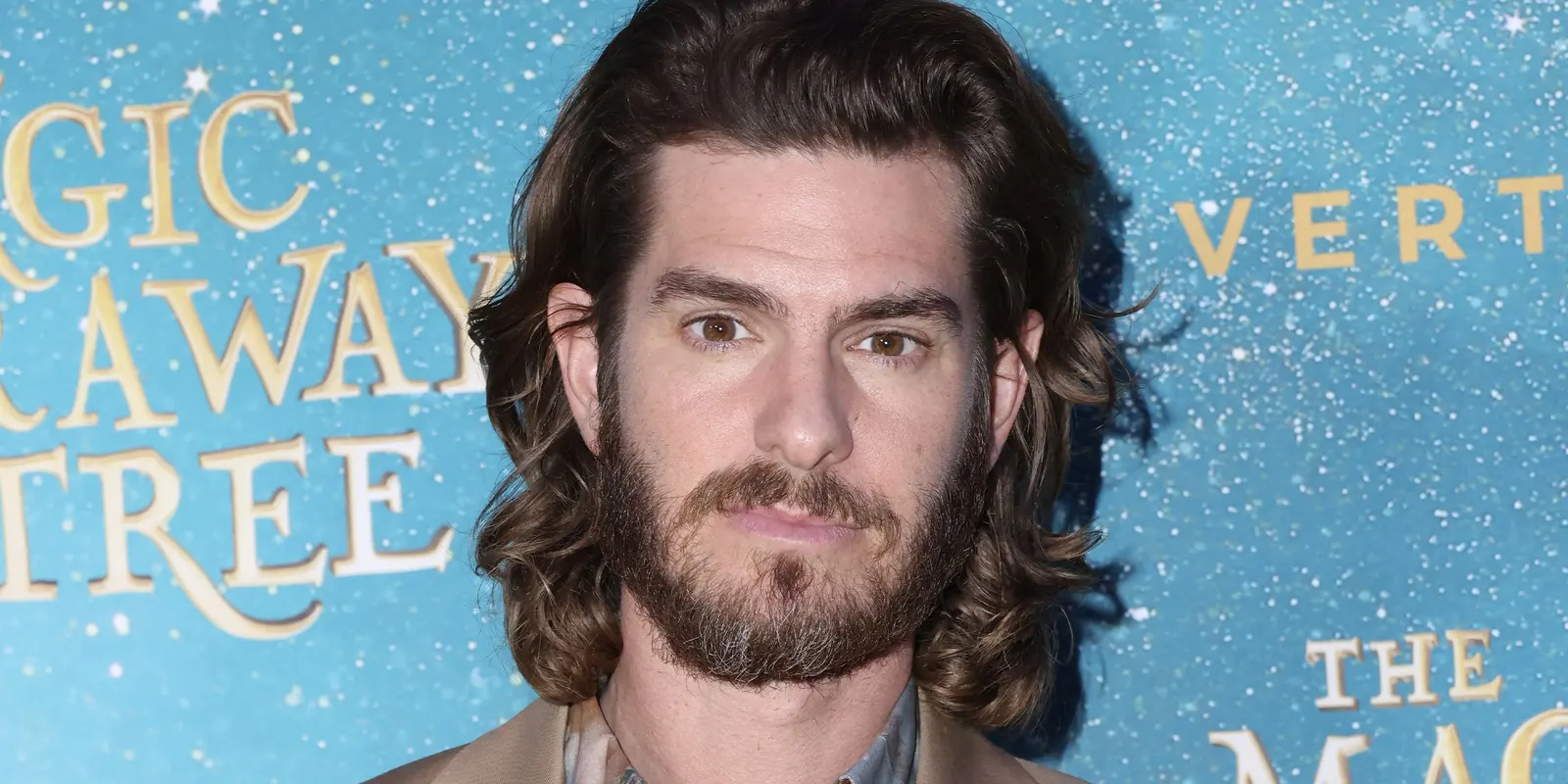
Andrew Garfield's relationship with Spider-Man has never been straightforward — from his casting controversies to his celebrated return in No Way Home — but the actor continues to engage with the character's cultural meaning in ways that go well beyond the suit itself. Now, prompted by the phenomenal box-office run of Spider-Man: Brand New Day, Garfield has returned to a decade-old argument he made about the character's identity, and his position has not softened in the slightest.
A Viral Moment, Revisited
Back in 2013, Garfield made headlines when he mused aloud about the possibility of Spider-Man being gay — a comment that rippled through fan communities and entertainment press alike. Speaking to EW more than a decade later, he described the original remarks, according to Collider, as "an exercise in rebellion that I felt passionate about," and doubled down on the core idea: that the character's enduring, universal appeal is rooted precisely in the fact that the person behind the mask is, in a meaningful sense, undefined. "Anyone can project themselves into that suit," he told the outlet, and his reasoning carries genuine philosophical weight for a character who first appeared in a cheap comic anthology and became one of the most recognisable fictional figures in human history.
The Architecture of a Universal Hero
What Garfield is articulating is something comics scholars and cultural critics have long observed: Spider-Man's design — the full-body concealment, the everyman origins, the adolescent self-doubt — functions almost uniquely as a vessel for projection. Unlike many superheroes whose iconography is inseparable from a specific body or face, Spidey's mask genuinely obscures everything. Garfield leaned into that structural openness, arguing that skin colour, gender, and sexuality are all equally irrelevant to what makes the character resonate. "I like the idea of a place where everyone is being honoured and everyone is being included," he said, framing the position not as provocation but as a logical extension of what the character has always represented. His pointed coda — "you'll be telling on yourself if you have a strong opinion either way" — suggests he has little patience for defensive reactions in either direction.
For a performer who has consistently sought out morally and emotionally complex roles, this kind of engagement with a mainstream franchise property feels characteristic. It is worth noting that Garfield's willingness to take unconventional creative stances extends well beyond superhero cinema, as his remarks about the difficult path to releasing Artificial demonstrated.
The Brand New Day Context
The timing of this conversation is not incidental. Spider-Man: Brand New Day, starring Tom Holland, has dominated the domestic box office for five consecutive weekends, opening to the biggest single weekend in U.S. history and subsequently becoming the second-highest-grossing film ever on home soil. Its audience score on Rotten Tomatoes sits at a remarkable 98%. With that kind of cultural saturation, questions about the franchise's future — and its values — are entirely legitimate territory.
Kevin Feige has indicated that more Holland-fronted Spider-Man projects are planned, though nothing is imminent. Holland himself has spoken candidly about a roadmap for eventually passing the baton, describing a "really clear vision" that has been in development since No Way Home wrapped. Whether Garfield's own shadow looms over that transition remains an open question in fan circles, though nothing in the source material confirms his direct involvement.
Garfield, meanwhile, is far from idle. Alongside his continued franchise-adjacent conversations, he has been collaborating with Claire Foy on the Magic Faraway Tree adaptation, a project that signals a very different creative register entirely. It is a reminder that whatever he thinks about who should wear the Spider-Man suit next, he is more interested in the ideas the character provokes than in reclaiming the role for himself — even if his conditions for returning have always been distinctly unconventional.
What It Means for the Franchise
Garfield's comments do not constitute a directive to Marvel Studios, nor are they likely to be treated as one. But they add a considered, articulate voice to a conversation that the industry will inevitably have as the franchise transitions. If the next person under the mask is to honour the character's deepest logic, Garfield's argument suggests the choice should be expansive rather than restrictive — because that openness is, and always has been, the whole point.
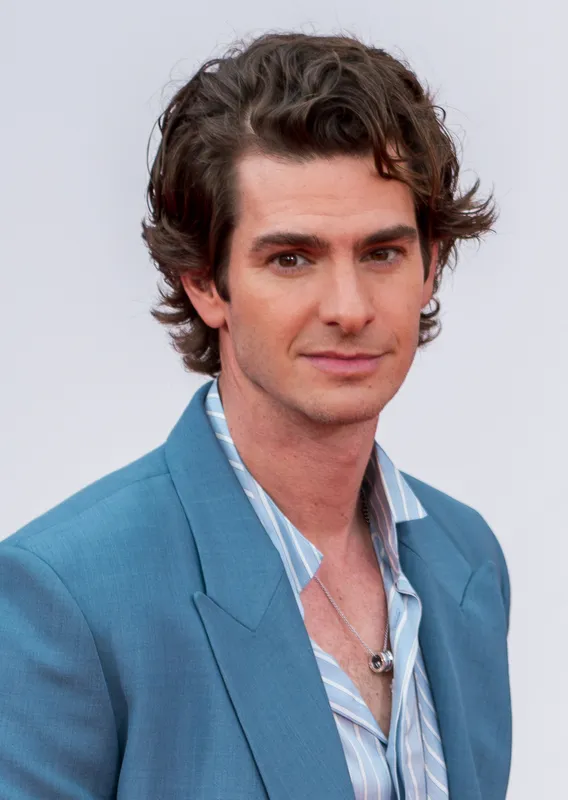 ProfileAndrew GarfieldActor
Related
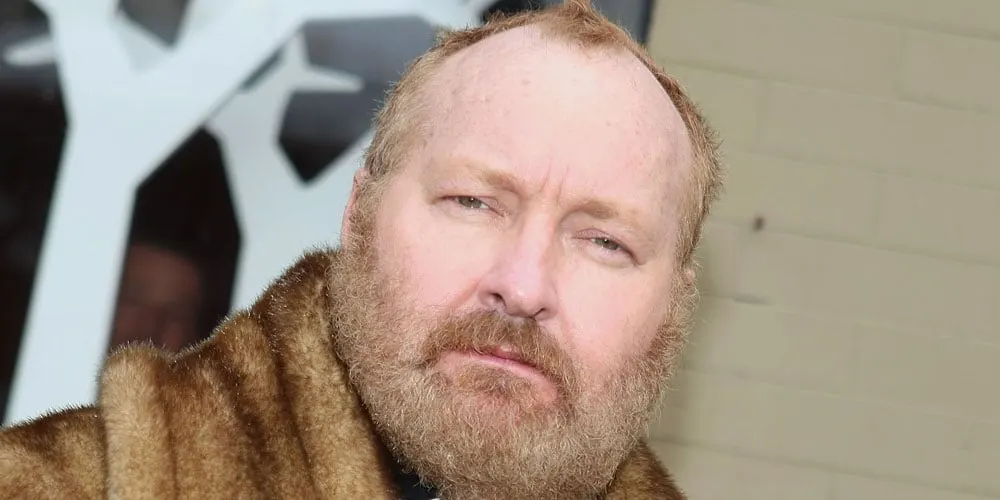
Randy Quaid Slams Anne Hathaway Casting in Days of Thunder Sequel
Randy Quaid, who appeared in the original 1990 film, took to X to demand Nicole Kidman's return and dismiss the Hathaway announcement.
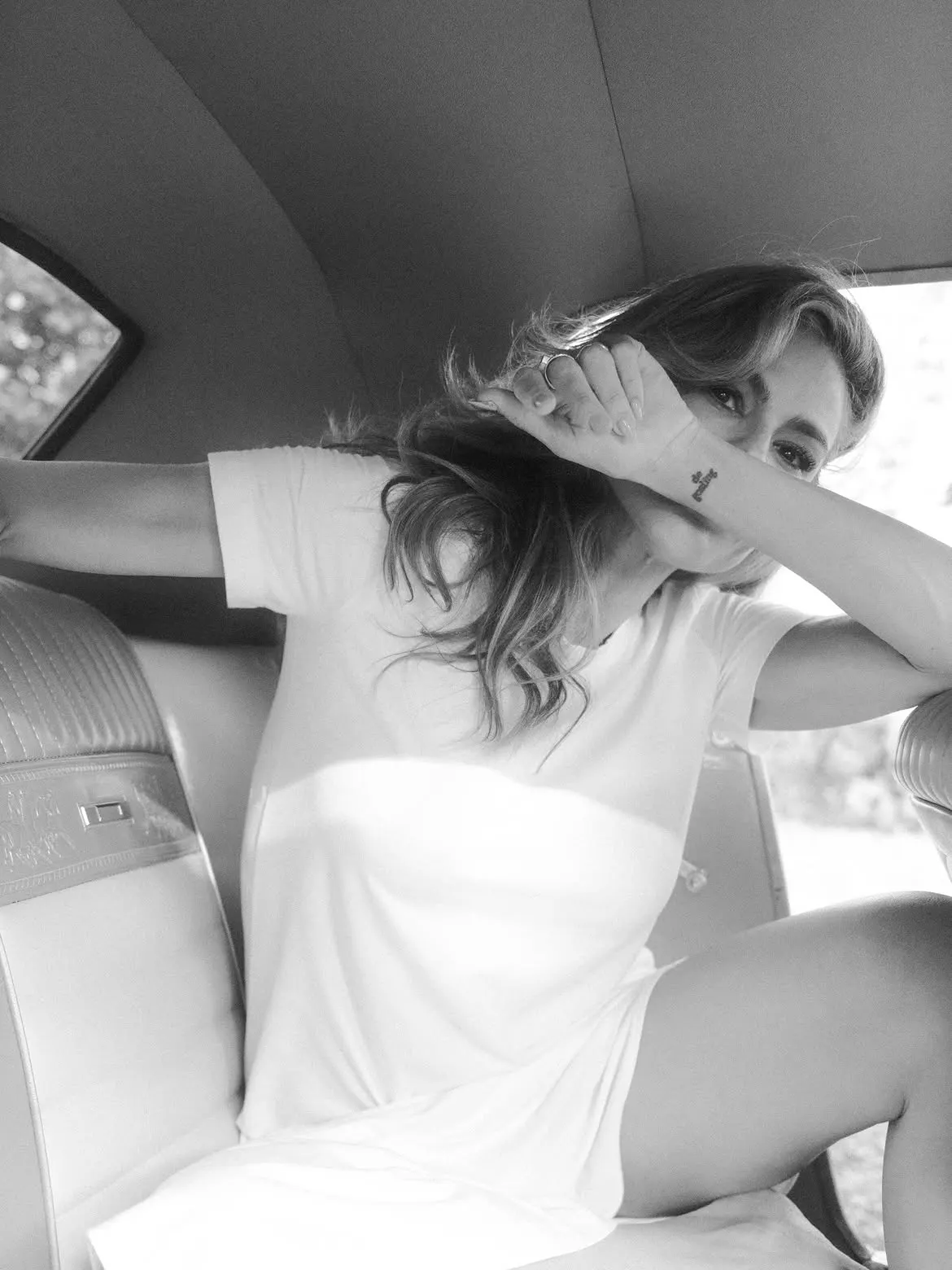
Eva Mendes' 'de Gosling' Tattoo Is the Only One She's Ever Wanted
Eva Mendes is showing off her wrist tattoo again — a small but meaningful piece of ink that carries a deep cultural significance.
Steven Spielberg's 'War of the Worlds' Returns to Streaming Amid Debate
Steven Spielberg's 'War of the Worlds' is hitting HBO Max next month, reigniting discussions on its mixed reception.