Andrew Garfield Opens Up on Method Acting: 'Yes, But...'

On Amy Poehler's podcast, Andrew Garfield finally addressed the method acting question — and offered a more nuanced answer than most expect.
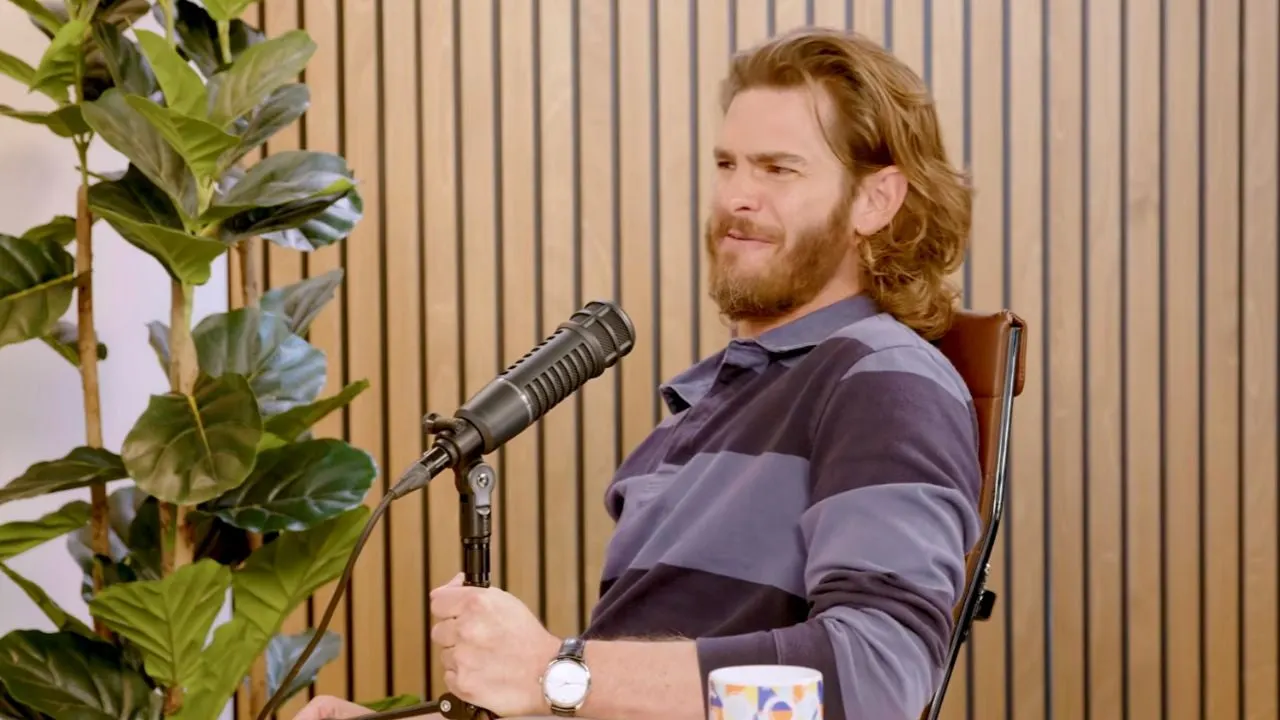
Few questions in contemporary Hollywood carry as much baggage as the one Amy Poehler posed to Andrew Garfield on a recent episode of her podcast Good Hang — and fewer still manage to be both incisive and genuinely funny at the same time. Garfield, currently promoting Paul Greengrass's medieval epic The Uprising, found himself gently cornered by the comedian into addressing something he had long sidestepped: whether he considers himself a method actor.
The Setup: Poehler Plays Investigator
Poehler, whose instinct for comedic timing translates just as well to the interview format as it does to sketch comedy, didn't so much ask the question as pursue it — returning again and again as Garfield attempted to wriggle free with characteristic wit. According to TheWrap, Garfield initially deflected, accusing her of hunting for a viral moment: "You're looking for the clickbait head. You're like, 'Is he going to give me the juice?'" Poehler, undeterred, cited the evidence on his behalf — significant weight loss for past roles, a year spent studying monastic life — before reducing the exchange to its comic essence: "I mean, are you though?"
It was a masterclass in soft interrogation, the kind that disarms rather than antagonizes, and it ultimately worked.
Garfield's Answer: Nuanced, and Deliberately So
When the actor finally relented, his answer was more considered than a simple yes or no. He acknowledged that yes, he does employ a method — but he took clear issue with how the term has been distorted in popular culture. In his view, the word has been "massively mischaracterized, misunderstood, and co-opted by people that don't know." A method, he argued, is simply that: a personal, structured approach to accessing truth in performance. What it is not, in Garfield's telling, is a license for on-set misconduct or self-destructive behavior.
This perspective aligns with comments he made back in 2022 on Marc Maron's WTF podcast, where he pushed back against the notion that deep character immersion requires alienating your collaborators. The craft, as Garfield frames it, is about "living truthfully under imagined circumstances" while remaining a considerate presence for everyone else on set — crew included.
It's a philosophy worth taking seriously given the actor's own track record. His physically and spiritually demanding preparation for Silence (2016), where he fasted and spent considerable time with Jesuit priests under Martin Scorsese's guidance, is widely regarded as one of the more disciplined and respectful examples of immersive actor preparation in recent memory — a far cry from the boundary-crossing anecdotes that have made the term "method" synonymous with on-set chaos for some observers. Fans of his broader career choices will recognize this pattern of principled, deliberate decision-making.
Method Acting in Context
The technique itself has a storied history. Born out of the Actors Studio tradition of the 1950s, and shaped by teachers like Lee Strasberg drawing on Stanislavski's system, it produced some of the most indelible screen performances of the twentieth century — Marlon Brando and Montgomery Clift among them. In subsequent decades, Daniel Day-Lewis arguably became its most celebrated practitioner, with famously rigorous preparation processes for roles ranging from Christy Brown to Daniel Plainview. More recently, figures like Lady Gaga have spoken openly about the psychological toll of sustained character immersion, notably during the production of House of Gucci.
Garfield's reframing of the conversation — positioning method not as extremism but as disciplined craft — feels like a necessary corrective at a moment when the technique's reputation is as much defined by tabloid stories as by actual performance theory.
What's Next: The Uprising
The film at the center of Garfield's current press tour is The Uprising, a historically grounded drama written and directed by Paul Greengrass — the filmmaker behind United 93 and several Bourne entries — known for his immersive, kinetic approach to real events. Garfield plays a peasant who rises to lead a revolt against King Richard II during the English uprising of 1381, a story that demands both physical commitment and historical sensitivity. The ensemble includes Jamie Bell, Thomasin McKenzie, Tom Hollander, Woody Norman, and Katherine Waterston, among others.
For an actor who continues to balance prestige drama with a diverse range of projects, the role feels like another deliberate step in a career built on intentionality — method, or otherwise.
Related on Ni4o: Andrew Garfield's Ghost and the Brand New Day Rumour Machine
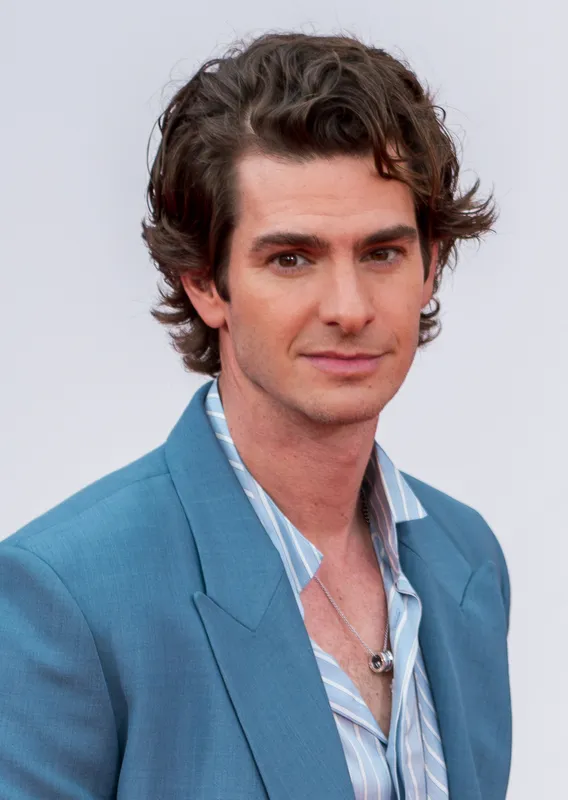 ProfileAndrew GarfieldActor
Related
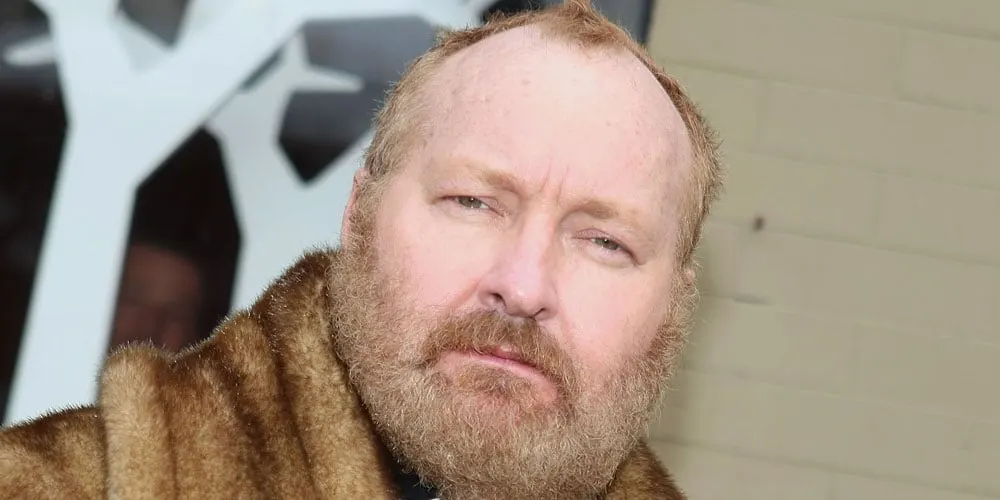
Randy Quaid Slams Anne Hathaway Casting in Days of Thunder Sequel
Randy Quaid, who appeared in the original 1990 film, took to X to demand Nicole Kidman's return and dismiss the Hathaway announcement.
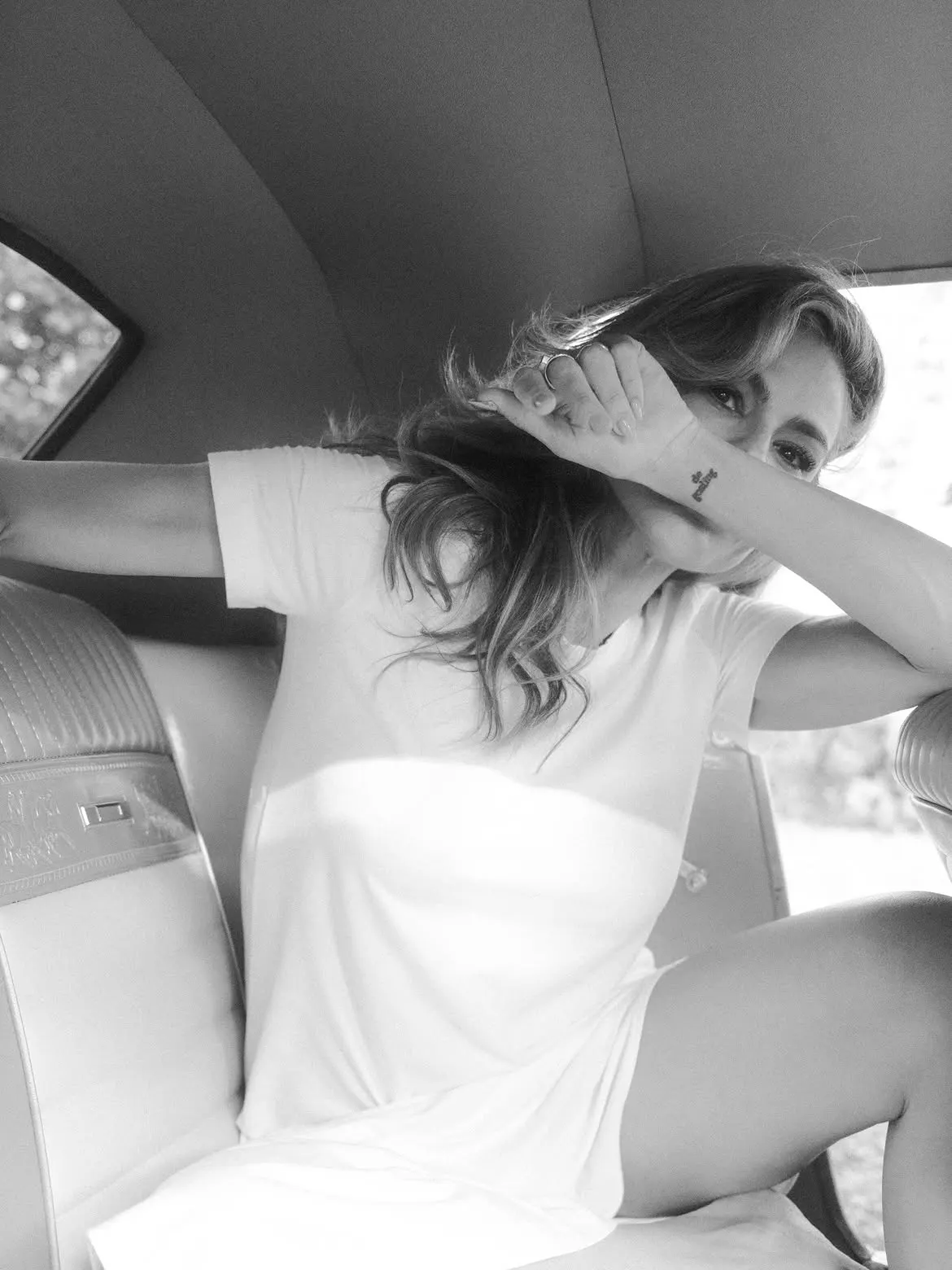
Eva Mendes' 'de Gosling' Tattoo Is the Only One She's Ever Wanted
Eva Mendes is showing off her wrist tattoo again — a small but meaningful piece of ink that carries a deep cultural significance.
Steven Spielberg's 'War of the Worlds' Returns to Streaming Amid Debate
Steven Spielberg's 'War of the Worlds' is hitting HBO Max next month, reigniting discussions on its mixed reception.