Andrew Garfield and Paul Greengrass Turn Medieval Revolt Into Modern Mirror

Paul Greengrass's The Uprising channels England's 14th-century Peasant's Revolt through Andrew Garfield to speak urgently to contemporary audiences.
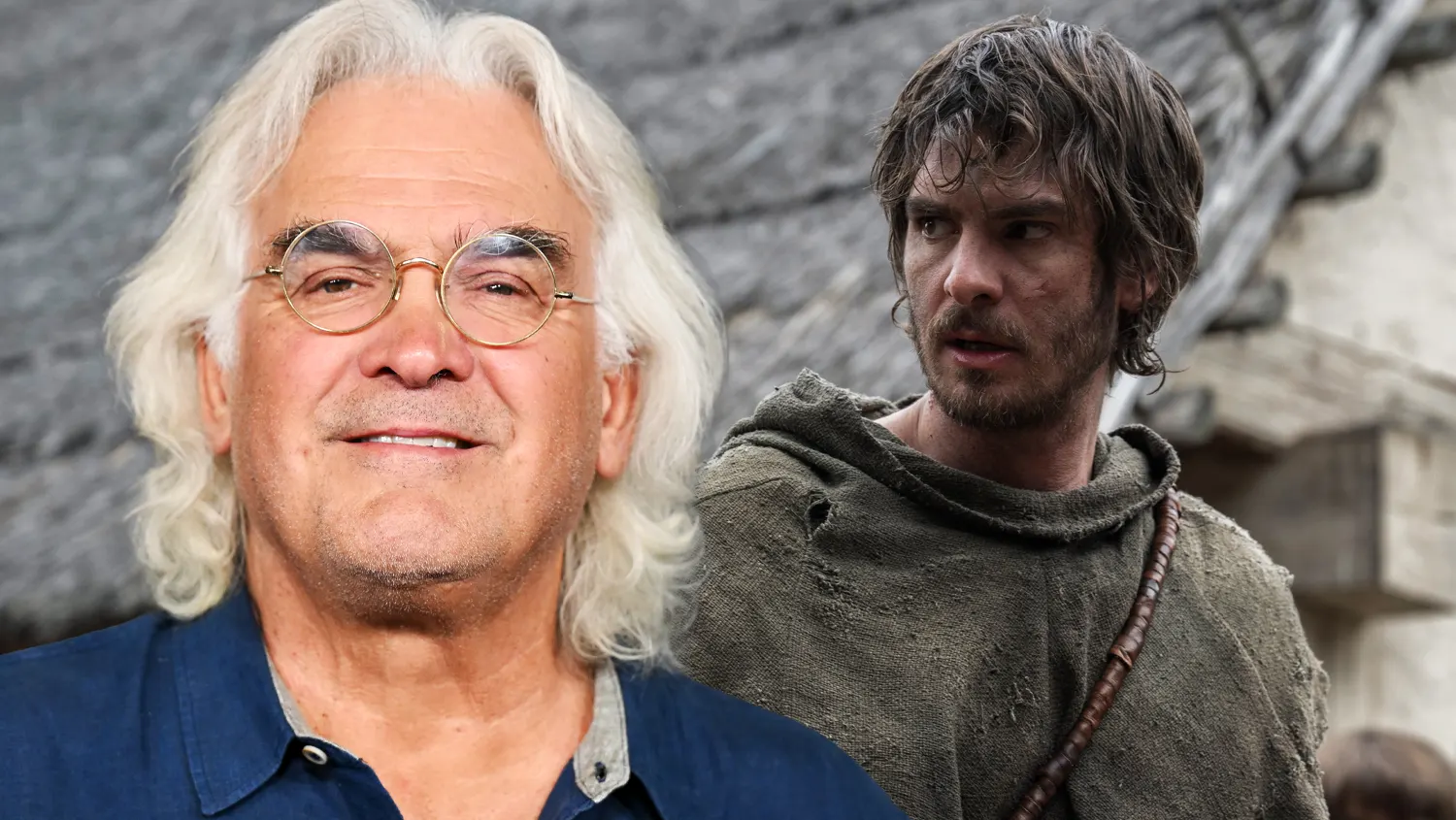
Paul Greengrass has never been a filmmaker content to let history sit quietly on the page. From Bloody Sunday to Captain Phillips, his career has been defined by the conviction that the past is always, in some fundamental sense, the present — and his latest project, The Uprising, extends that philosophy back six centuries to England's Peasant's Revolt of 1381. That he has chosen Andrew Garfield to anchor the film says a great deal about both the director's instincts and the kind of actor Garfield has quietly become.
A Story Whose Time Has Come Again
According to Deadline, The Uprising finds Greengrass excavating one of medieval England's most seismic ruptures — the moment when the disenfranchised, ground down by poll taxes and feudal servitude, rose against the ruling establishment in an act of collective defiance that shook the monarchy to its foundations. The choice of subject matter feels anything but accidental. At a time when citizens across the democratic world are grappling with a widening gap between governed and governing, the story of ordinary people asserting their humanity against an indifferent power structure carries a charge that no amount of period costuming can fully insulate from the present.
Greengrass, an Oscar-nominated writer, director, and producer, has always understood that political cinema lives or dies on its ability to generate immediacy. His signature handheld visual language — restless, close, kinetic — strips away the painterly remove that so often keeps historical drama at arm's length. Applied to the fourteenth century, that approach promises something genuinely uncommon: a medieval film that feels like breaking news.
Garfield as the Human Centre
For Garfield, The Uprising represents another entry in what has become a remarkably considered body of work. The actor has spent years gravitating toward projects that interrogate faith, sacrifice, and the relationship between the individual and larger social forces — qualities on full display in his Oscar-nominated turn in Tick, Tick… Boom! and his quietly devastating work in Silence. Placing him within Greengrass's pressure-cooker filmmaking style creates an interesting tension: Garfield's tendency toward interiority pressed up against a director who favours the external, the procedural, the visceral.
It is worth remembering that Garfield's range extends further than any single genre or period might suggest. Fans curious about where his career is heading next might also want to keep an eye on Andrew Garfield & Claire Foy Bring Magic Faraway Tree to NYC, a project that shows the actor willing to inhabit radically different creative registers. Meanwhile, those tracking his more personal reflections on the industry should read Andrew Garfield Speaks Out on the Turbulent Road to Releasing 'Artificial', which offers valuable insight into how he thinks about risk and artistic integrity.
Craft in Service of Conscience
What separates The Uprising from the crowded field of prestige historical cinema is the evident purposefulness behind its construction. Greengrass and Garfield are not simply dramatising a footnote from the Plantagenet era; they are making an argument about power, legitimacy, and the recurring impulse of ordinary people to demand to be counted. The Peasant's Revolt was ultimately suppressed — its leader Wat Tyler killed, its promises of reform rescinded — and that ambiguity, that refusal of easy triumph, is precisely what gives the story its moral weight and its modern resonance.
For audiences who have followed Garfield's evolution as a performer, from blockbuster fare to deeply personal independent films, The Uprising looks like another deliberate step toward work that demands something of both actor and viewer. Those interested in the broader arc of his career will find useful context in Andrew Garfield Would Return as Spider-Man Only for Something Truly Unconventional, which underlines his increasingly selective and principled approach to choosing roles.
If Greengrass has his way, The Uprising will leave audiences not simply informed about a distant historical episode, but genuinely unsettled — reminded that the questions raised in 1381 remain stubbornly, uncomfortably open.
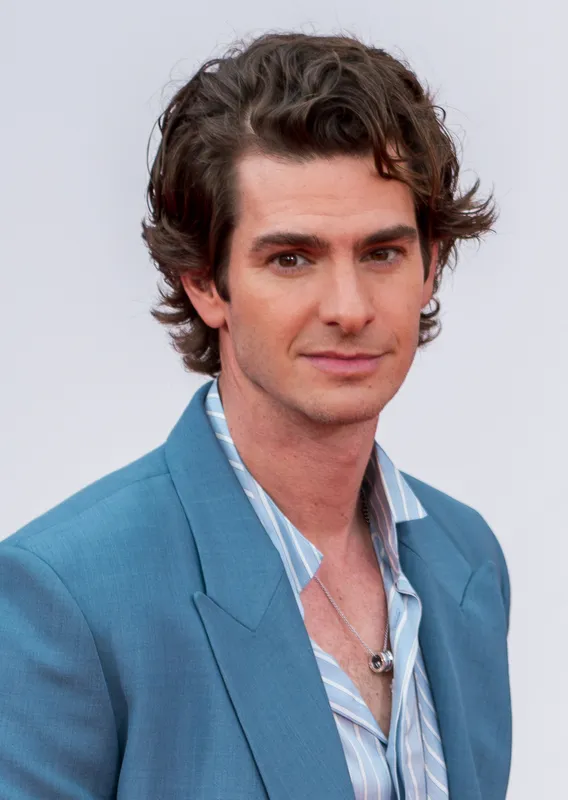 ProfileAndrew GarfieldActor
Related
Randy Quaid Slams Anne Hathaway Casting in Days of Thunder Sequel
Randy Quaid, who appeared in the original 1990 film, took to X to demand Nicole Kidman's return and dismiss the Hathaway announcement.

Eva Mendes' 'de Gosling' Tattoo Is the Only One She's Ever Wanted
Eva Mendes is showing off her wrist tattoo again — a small but meaningful piece of ink that carries a deep cultural significance.
Steven Spielberg's 'War of the Worlds' Returns to Streaming Amid Debate
Steven Spielberg's 'War of the Worlds' is hitting HBO Max next month, reigniting discussions on its mixed reception.